Valentin Pitarch: Directing and Animating Beyond the Algorithm
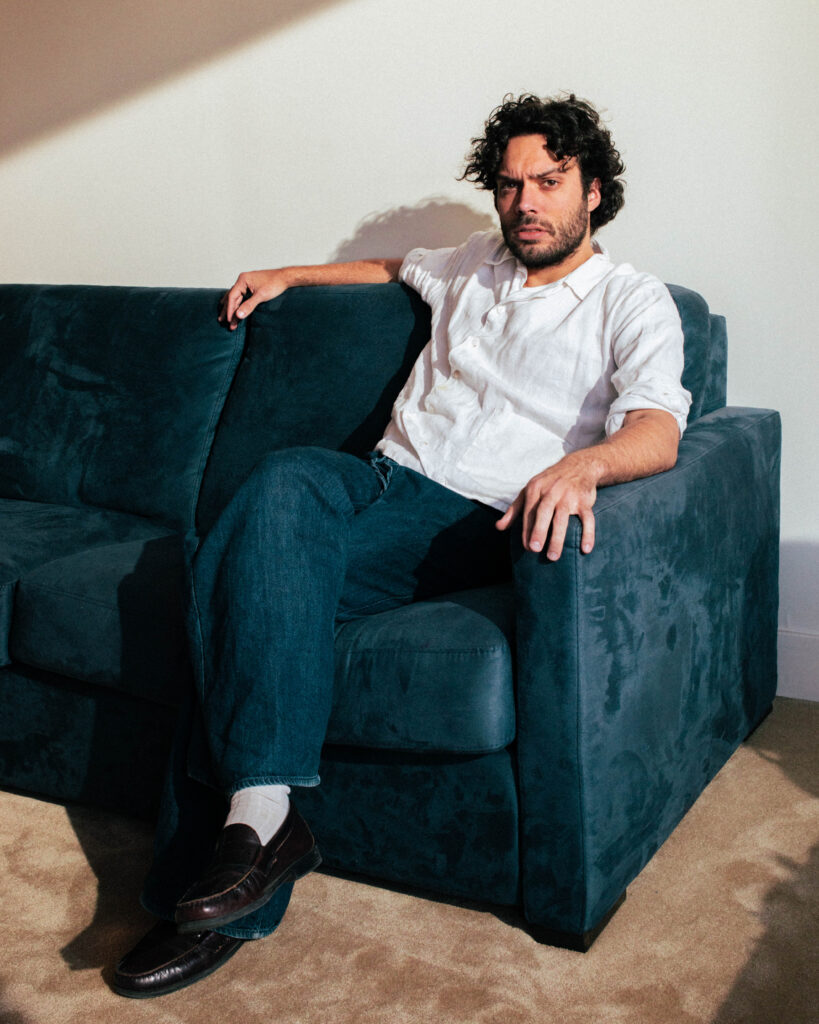
© Tito Piermarini
At 32, Valentin Pitarch, similarly to many contemporary artists, tries to navigate his path between industry and independence, visibility and authenticity, algorithm and creativity. Born in Switzerland to a Swiss father of Italo-Spanish heritage and a French mother, Valentin moved to Paris at eighteen, enrolling at LISAA – L’Institut Supérieur des Arts Appliqués, where he completed three years in animation. France, home to world-renowned schools such as Gobelins, remains a powerhouse of European animation, and Valentin entered the industry with technical rigor, working for several years as a compositing artist across various studios. Yet, even during those early professional years, something else was emerging on the side: self-made videos for rapper friends, experimental fashion clips, and personal camera projects.
The real turning point came in 2020. As the pandemic disrupted production cycles, Valentin made a decisive choice to become an independent director. This shift was a step toward authorship because as a director, he could shape the vision. Valentin has directed numerous music and fashion videos, blending post-production expertise with an intuitive sense of choreography and design. Notable music videos he has directed include Requin Chagrin – Fou (2021) that pairs speed and feeling in cinematic movement, Voyou – L’Hiver (2023), a deeply visual interpretation of emotional struggle that uses shrinking spaces and color to reflect psychological states, and Klon – West, a stylized performance video, combining choreographed gestures and graphic visual effects.
Currently, Valentin is developing a short fictional film titled Mima. The story is set in Switzerland and centers around a fourteen-year-old girl who sings on a small restaurant stage while the audience remains absorbed in its own distractions. The idea was born from a real moment he witnessed.
According to Valentin, the landscape around him has shifted. The era of the four-minute, cinematic music video has largely given way to vertical 30-second clips optimized for TikTok. Budgets have shrunk. Attention spans have fragmented. Valentin has felt this change sharply. In recent years, he has turned down projects, including one with a several dozen thousand euros budget, because they did not align with his artistic direction.
This tension between artistic integrity and digital pragmatism threads through much of his thinking. He watches emerging musicians navigate contracts where success is measured in streams and short-form engagement metrics. He has seen artist friends struggle for recognition in systems that reward networks and data analytics as much as originality. A close colleague once rejected a multi-million-euro offer from a famous streaming service because the platform demanded control over the final cut, citing viewer-switch statistics and algorithmic structure. The director chose creative autonomy over budget, reducing the project’s funding. For Valentin, such decisions emphasize the core dilemma of contemporary filmmaking: when data shapes narrative structure, what happens to risk?
Let us introduce to you Valentin Pitarch.
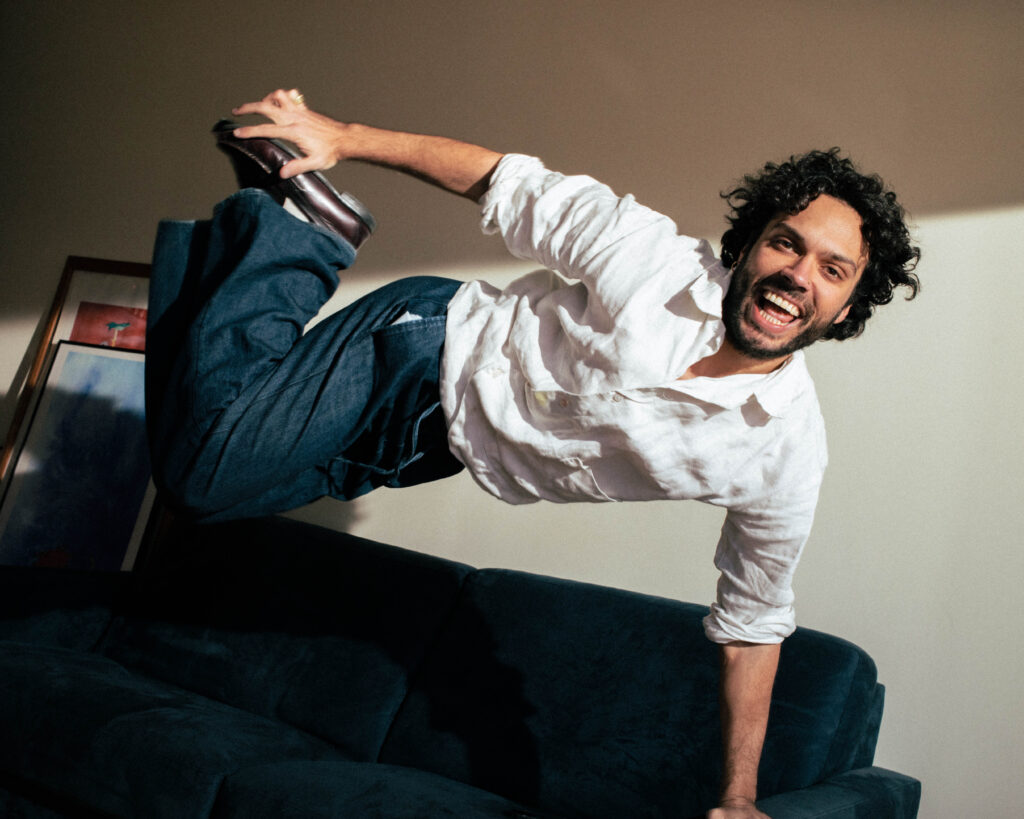
© Tito Piermarini
Hi Valentin, can you please tell me a bit about yourself?
Hi! I am a nice, sympathetic guy with a lot of qualities (laughs). I am joking. I was born in Switzerland. My father is Swiss. He was born there, but he is half Italian and half Spanish. I do not really feel closely connected to family in Italy or Spain, though. My mother is French.
I first studied animation at an art school in Switzerland for one year. When I was eighteen, I moved to Paris to continue studying at LISAA — L’Institut Supérieur des Arts Appliqués. I had always loved drawing and watching films, so animation felt like the perfect combination of both. After graduating, I worked for four or five years in the animation industry, mainly in studios doing compositing. I truly enjoyed that period. At the same time, on weekends, I was always filming. I had friends in Switzerland who were rappers, so I started making music videos for fun, you know small side projects with my own camera. Then I began creating fashion videos as well, and gradually it became more professional. I was working five days a week in animation and shooting on weekends, sometimes traveling to Germany, Italy or Spain. Eventually I had to choose, because I would say, “Sorry, I cannot come in today, I have a shoot,” and that was not sustainable.
During the COVID period, from 2020, I decided to try working as an independent director. It felt like the right moment to take the risk. And actually, it worked out quite naturally. I directed a fashion video for a magazine, and a music group saw it and contacted me. They were signed to Sony, so it was the first time I worked with a professional label and a full crew. That project became a turning point. After that, I began directing music videos regularly.
So, you said it was during the COVID period that you really began working on videos more seriously. Was that situational because of your friends, or was it always something you wanted to transition into from animation?
That is a very interesting question. I am not sure exactly. I think it is more about doing my own thing. I could have done my own projects in animation as well. I started directing music videos because I already had contacts, and fashion videos because I knew people who needed one. It could just as easily have been animation. In animation studios, I was usually part of a team of around fifty people working on a series or a larger project. I liked that environment, but it is different. As a director, I can make my own choices and develop my own visual style. It feels more personal. I still use a lot of special effects in my projects. Since I come from animation, I am naturally drawn to postproduction. I enjoy that part of the process very much. I still work with animation techniques, just not traditional television animation for children. Instead, I integrate animation into my own films and visual projects.
Was it a gradual shift? Or did you just say, “I am leaving my job to be a director”?
No, it was not really gradual. I had just finished a project in animation. In that industry, you usually do not stay in one company for a long time. It is always project based, a few months here, then you move to another studio. That is simply how it works. There is no permanent contract. So, the transition was not something I planned step by step. It was more that I finished a project and thought, instead of starting another one in animation, I would give myself one year to try directing independently and see what happens. And it worked out very well.
Was it challenging? Because the director is the one making the decisions. What is your process like?
I usually begin with meetings with the artists. We talk a lot about references, feelings, and intentions. After that, I create a mood board to define the visual direction. I often work with the same crew including Jules Le Masson Fletcher, my director of photography, as well as the same stylists, makeup artists, and choreographers. For me, it is very important to be surrounded by people I trust. It creates a safe space where everyone can focus on the creative part. That trust is essential.
What kind of projects do you prefer?
I really like music videos. But in the last few years, maybe the past two, I have not done as many because the budgets have become smaller. Instagram and TikTok have changed the landscape. Not many people watch a four-minute music video anymore. It is very different from when I started six years ago. Back then, it was not so much about trends or algorithms. Last year I did two music videos, but they were vertical and about thirty seconds long, made for TikTok. And I felt that it was not what I wanted to do. I have nothing against TikTok videos, but they were not very artistic. For me, that is the most important thing, to create something artistic and visually strong.
And how do you think, as the years go by and we become even more attached to our devices, that this will affect the artistic side of things?
Actually, I try to choose only the music videos that I truly want to do. This year, I refused two projects. One of them had a budget of several dozen thousand euros, which was one of the biggest budgets I had been offered. But it felt very commercial. I know people who work in that direction, and that is completely fine, but I do not want to go in that direction. At first, I agreed to take on the project but then I had my doubts. So, finally, I called the label and told them, “I am very sorry, but it is not really my style.” After that, I felt incredibly relieved. Two months ago, I experienced something similar. I agreed to a project and then stepped back because it did not match me artistically. But now, in two weeks, I am directing a music video for a rock musician who is also signed to a label, and this time it feels right. We met twice and our styles align very well. I am genuinely excited to work on it.
Do you choose your projects based on the genre or the music itself?
Yes, of course, in a way, the music matters. But it is not only about genre. It is also about values and the overall message. For example, if someone sang about something extreme or problematic, I would immediately refuse. That would not even be a question. At the same time, I have directed music videos for songs that I did not personally love. When you are starting out, you tend to say yes to almost everything because you want experience. You want to try, to learn, to build something. Now, with more experience, I am much more selective. I pay attention not only to the sound, but to whether I feel a real connection to the project. That makes a big difference.
If somebody wanted to get into this field, would you recommend following the same path you did? Or are there mistakes you made that you would advise them to avoid?
I would actually recommend a similar path. It is important to go through different experiences. I had some very bad experiences as well, of course, but I learned much more from those than from the easy projects. When you are starting out, every project teaches you something about people, about yourself, about the industry.
So, are you more interested now in moving toward short films?
Yes, fictional films. I have many friends who are actors, and some of them are moving into directing fiction. Becoming a film director was not a childhood dream for me. But over the last few years, I have grown more interested in cinema. I realized how powerful it can be. One of my close friends made a short film that did very well at festivals, and now he is directing his first feature film this summer. Seeing that process inspired me. At the same time, I have been trying to develop my own short film for years. Writing is difficult for me because I never studied it. I studied animation, not film directing, so I never went to film school. That is why I am working with two friends who are writers. They are talented and understand storytelling much better than I do. We support each other creatively and try to build something together.
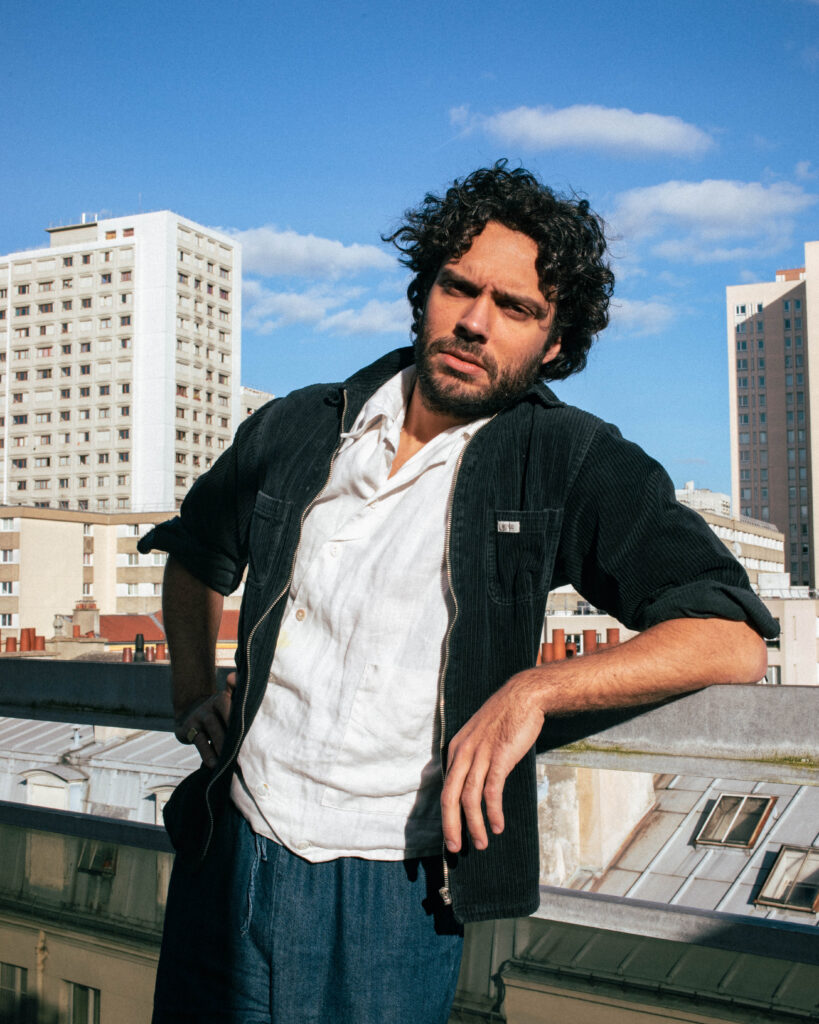
© Tito Piermarini
Can you tell me more about this short film?
For now, it is called Mima, but I am not sure if that will remain the final title. The story takes place in Switzerland, where I was born. The film will be in German, but I will translate it into French as well, since it may be produced by a French production company. I have two producers who are interested, but nothing is confirmed yet. I only truly finished the script about a week ago, so we will see what happens. The film is about a fourteen-year-old girl who sings in a restaurant. There is a small stage, and she performs there. But nobody listens to her. The guests are distracted. They are busy with other things. It is about multitasking, about constant distraction. The audience in the restaurant is physically present, but emotionally absent. The idea came from a real situation I witnessed about two years ago and that image stayed with me.
How long have you been working on this project?
I had the idea about three years ago. But I did not start writing immediately. I wrote a bit and then gave up. My ex-girlfriend was a writer, so she gave me some advice. Later, I worked for three months with a producer and a professional screenwriter. We would meet once a week. Even though I was paying her, after three months, she told me she felt that we did not match artistically. So, our collaboration ended. It felt like a breakup. I was disappointed because I thought it was finally coming together. After that, I stopped for a few months as I was sad. Then I told myself I had to continue, so now I am working with two friends who are writers, and we are developing it together.
Would you say that this project, alongside the work that sustains you financially, is what truly motivates you?
Yes, it definitely motivates me. To be honest, my relationship with my father has also influenced me. It was not dramatic, but we are very different. For fifteen years he has been telling me that if my career does not take off, I can always do something else. But I always answer that I will always do something artistic. I feel that I can only do that. It is not only about directing this fiction film. I am not even sure if that is the final form for me. I also paint. In 2024 I had an exhibition during an art residency. Painting and drawing have always been part of my life. In the end, I think I simply want to become an artist. Sometimes I feel confident about it, and sometimes I question everything. But I have been on this path for so many years that I feel I need to follow it fully, just to know.
What makes you question yourself?
I do not know exactly. Maybe the girl in the film, the one nobody listens to, somehow represents me. It is like an allegory. Sometimes I wonder if I am projecting something personal into the story. Maybe I want it to work so badly, to be meaningful, that I start questioning everything. But instead of doubting it so much, maybe I should simply do it and see what happens.
What makes you feel that you are sometimes not listened to? Does it come from your family, your peers, your friends? Or even from the sense of not being acknowledged?
It is not one specific person. It is more about the system we live in. Maybe you feel the same? There are so many talented people who do not get recognition. I see friends who work incredibly hard and are extremely creative, who have so much to say, and whose work is so powerful and original, but they never reach a certain level of visibility. And then I see others who already come from families connected to the film or acting industry, and for them it seems much easier. Of course, that is how the system works. Being in Paris, having the right network, coming from a certain background, all that makes a difference.
Sometimes it feels unfair. I know one director who is incredibly talented, far more original than some award-winning artists I have worked with. And yet, she still struggles to break through. So, when I talk about not being listened to, it is not only about me personally. It is about this larger imbalance. About how recognition does not always match talent. I do not know if I explained it clearly, but that is what I mean.
It was clear, and I feel the same. In Tbilisi, the photography scene is very small and close-knit. So, it is hard for new talent to get noticed. One of the things we wanted to do through Tbilisi Collective was to give visibility to those people who are good at taking photos. Even small recognition, like someone seeing a photo online and saying, “Wow, this is amazing,” can motivate people to keep creating and eventually working professionally. At the same time, being an artist in today’s digital world is harder. Everything is simplified and designed for short attention spans. Even films are adjusted, so that audiences do not lose the plot while scrolling, which makes maintaining artistry a real challenge.
This actually happened to a friend of mine who is directing his first feature film. A streaming company was interested in his script. After negotiations, he decided not to go with it, even though it would have given him a budget of multiple million euros. He is now working with a smaller budget instead. The reason he refused is fascinating to me. The company would not allow him to have the final cut. They rely on detailed viewing statistics, so they know exactly when viewers switch away, and they structure films to keep attention, following a formula they apply to nearly every movie or series. They design it so the story fits audience retention data. So, my friend felt that this approach, which prioritizes metrics over artistic vision, was too restrictive. Essentially, it turns films into something closer to TikTok trends, and he did not want his work to be dictated by that.
It is astonishing how digital technology has become so decisive, shaping what we consume and limiting our freedom to choose or to be creative. At the same time, I know that sometimes even well-made films do not get the recognition they deserve, while others with very familiar plots succeed. For that reason, when we work on our own projects, even editorials or other creative work, I try not to measure success by likes, shares, or metrics. You cannot really assign value to something based on that alone.
For me, it is the same. Especially in the artistic world, it is not about creating or chasing trends. Just yesterday, I had a meeting with an artist I am doing a music video for in two weeks. He is an emerging artist and recently signed with Universal. He has a PR manager, so he is expected to make TikTok reels and follow existing trends. He told me he does not want to make those typical TikTok videos but that is how the label measures success. They look at likes, streams, and engagement to determine if he is bringing in money. His contract is for about a year, and after that, it is renegotiated based on those metrics. Of course, it is a lot of money, but I think this approach takes away originality. It pressures artists to compromise their creative vision for commercial metrics.
But at the same time, looking at it from a different perspective, there are things you have to do to reach people. If you are an artist, you need others to see, consume, and engage with your work for it to feel real. In that sense, sometimes you have to compromise a little to connect with a wider audience.
I try not to be pretentious because that is just how the system works. I hope that most of the artists I work with will be successful, and if this is the way to achieve that, then it is understandable. I just see it as more about the system than about art itself. There is also the issue of attention spans. Before, music videos could be artistic, and that still exists, but they are rarely on television anymore. Online, it is mostly thirty-second vertical videos. That is really sad.
Yes, I agree. As a last question, I wanted to ask you, who are the directors you look up to?
I have two categories of directors. First, music video directors who work only on music videos or commercials. For example, my friends Léo Berne, Zoe Cavaro and Aube Perrie who do very creative and original work. I really admire them. Before, I was a big fan of Damien Krisl, Jonas Lindstroem and Anton Tammi who do fashion work and music videos.
Regarding film directors, I would say Michael Haneke. I do not know exactly why, but I watch his films often and I am a huge fan. I would also mention the Iranian director, Abbas Kiarostami. Recently, I re-watched one of his films and thought to myself, “Wow, this is genius. This is incredible.” I am also a fan of Alice Rohrwacher. Her style of storytelling is what I would love to achieve in my own future films.
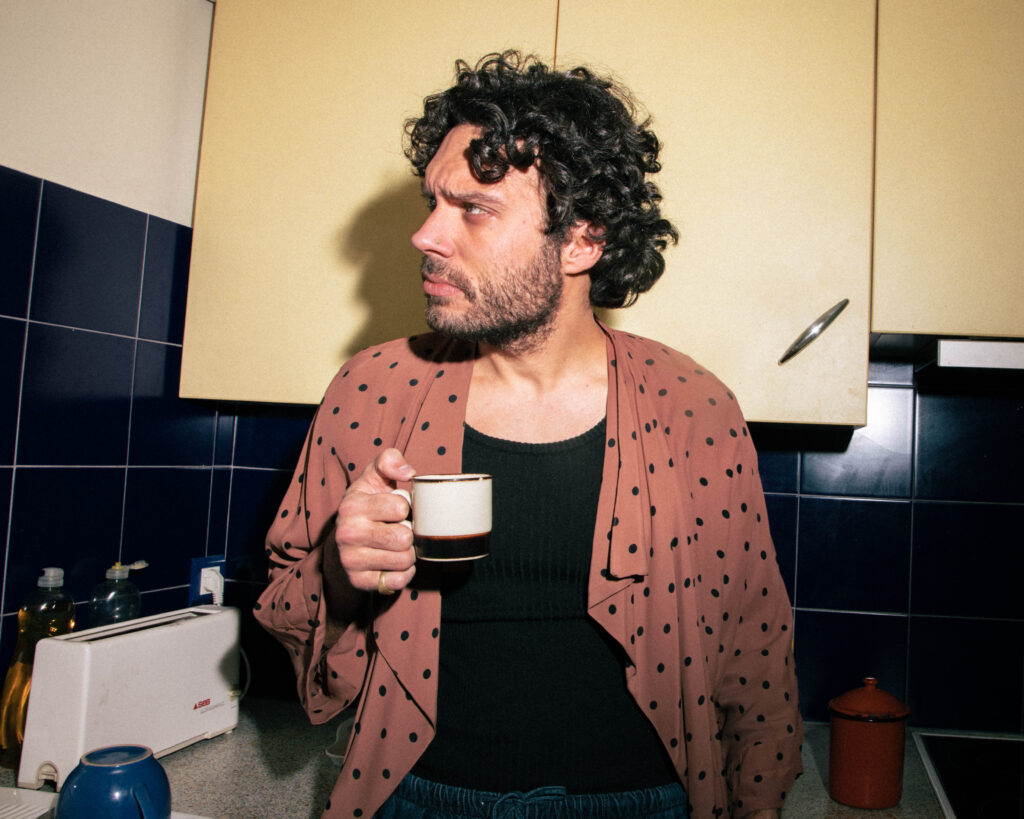
© Tito Piermarini
Thank you so much for taking time to share your experiences and thoughts with us. And do not question your film and doubt whether it is valuable or not. Good luck with the project.
Thank you! I know. You are right, it will be amazing. I will invite you to the premiere.
Great, thank you! I am looking forward to seeing it come to fruition.
Check out Valentin’s work on his website: https://valentinpitarch.com/
Also, follow Valentin’s work on Instagram: @valentin_pitarch
Thanks to Tito Piermarini for the photographs. Check more of his work on Instagram: @infinitesideway