On the Hidden Beauty of Ironing
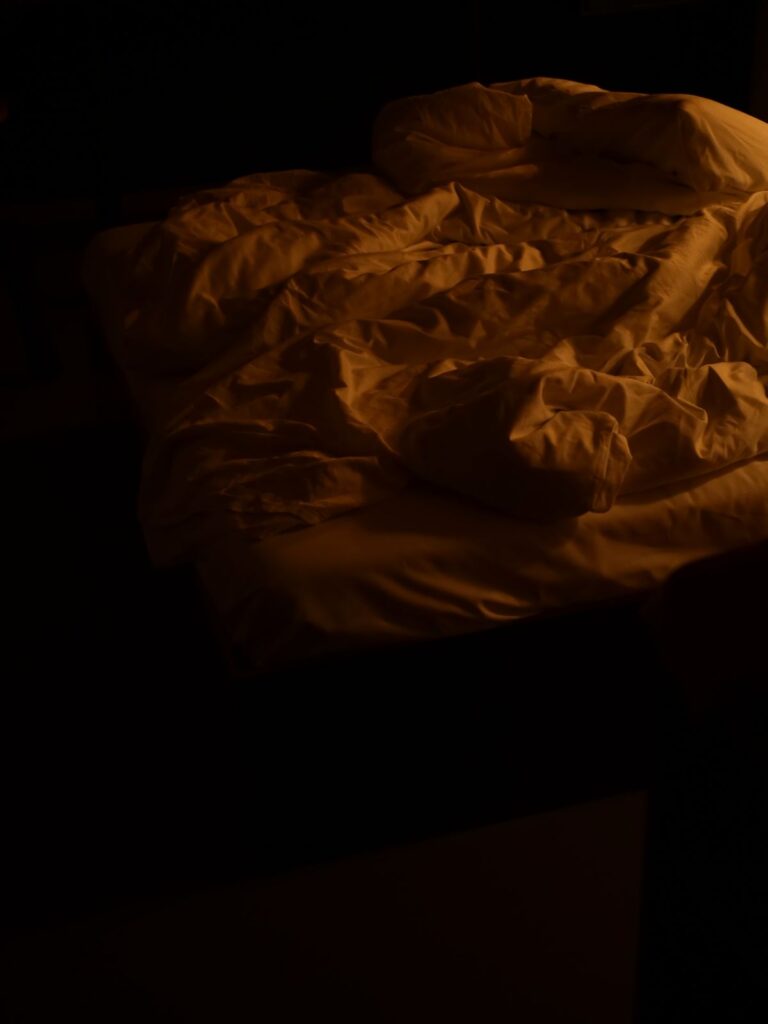
© Elene Datusani
There are few household chores as universally detested as ironing. It sits somewhere between cleaning the bathroom and washing dishes in the hierarchy of domestic annoyances. Yet I want to suggest something counterintuitive: that ironing, properly understood, contains a peculiar beauty; one that reveals something about the nature of transformation, effort, and perhaps, life itself.
I know, ironing is tedious, repetitive, seemingly pointless given that clothes will wrinkle again. The eternal return of the same task, like Sisyphus pushing his boulder. The creases always come back. The work is never finished.
And yet, within each cycle, something happens. You place the iron on crumpled fabric and chaos becomes order under your hand. Cause and effect collapse into a single moment. You can see the transformation happen as you work.
This visibility matters, because it exposes a deep truth: the fabric doesn’t lie about your effort. You cannot fake it or take shortcuts. Every pass of the iron counts. Rush, and the creases remain. Apply yourself with patience, and the fabric transforms. There’s an honesty in this relationship between effort and result that much of modern existence has obscured.
Transformation requires calibration. Too little pressure, steam, or heat and the creases resist; the right intensity and the fabric yields, stretches out, accepts the shape we impose on it. There’s a precise threshold where change happens, that zone where we feel the weight of the iron doing its work without forcing, where heat and steam penetrate just enough. And it’s not an easy win. Results don’t come all at once. You must work section by section, pass by pass. There’s no dramatic moment of transformation, only the gradual accumulation of small, careful gestures that eventually build up to produce a whole.
The task also demands presence. The hot metal in your hand insists on awareness. You cannot iron while distracted; the threat of burning yourself or the garment pulls you into the immediate moment.
The irony? (Forgive the pun). All this meticulous effort poured into what’s basically invisible work. A well-ironed shirt simply appears normal; only the wrinkled one attracts attention. We work to achieve a result that will be probably taken for granted. And perhaps this is precisely why it teaches us something valuable: not all worthy work announces itself. The honest relationship between effort and result doesn’t require applause or recognition to remain true.
The modern impulse is to eliminate ironing entirely: wrinkle-resistant fabrics, permanent press, casual acceptance of crumpled clothes. It’s worth asking what we lose when we eliminate every inconvenience from life. Ironing represents an increasingly rare experience: necessary engagement with constancy, patient work towards tangible results.
Perhaps we hate ironing not because it’s difficult, but because it tells us an uncomfortable truth: that some things cannot be rushed, that certain transformations require our full presence, that the quality of the result depends entirely on the quality of our engagement. In a world of inflated promises and deceiving shortcuts, there’s something almost radical in a task so honest about the price of results.
The iron doesn’t judge, but it doesn’t lie either. And in that honest exchange between tool, fabric, and attention, something beautiful quietly emerges.
About the Author
Youssef Angiari is an Italo-Egyptian sustainability advocate based in Milan, raised in Cairo. A keen observer of the world around him, he moves between the urge to understand it and the urge to narrate it. Poetry remains his truest form of expression, culminating in the publication of Luce d’autunno in 2022.
Follow him on Instagram: @youssefangiari