Reasons to Pick Up a Camera According to "Love & Pop"
by Leo Mikaia
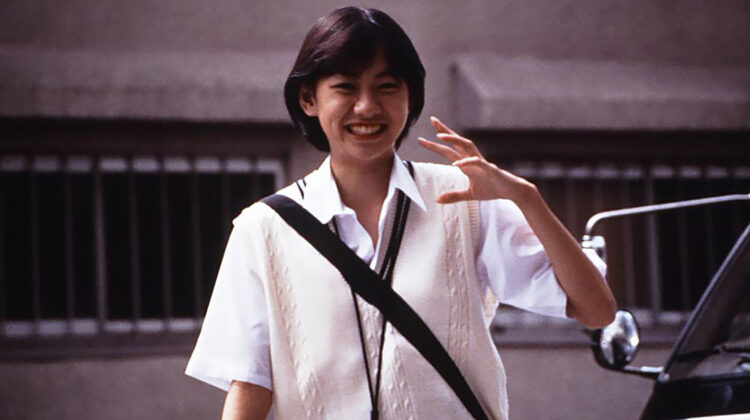
Even the most horrific times of your life have stuff worth capturing. And as I’ve come to learn from my favorite coming-of-age films, being a 16-year-old high school girl has got to be up there with the most horrific experiences. Director Hideaki Anno, best known for anime Neon Genesis Evangelion, somehow found an absolutely bonkers style, something I’ve never seen before, to show the beauty and horror of being a teenage girl in the midst of Japan’s economic and cultural crisis. It’s nothing short of masterful.
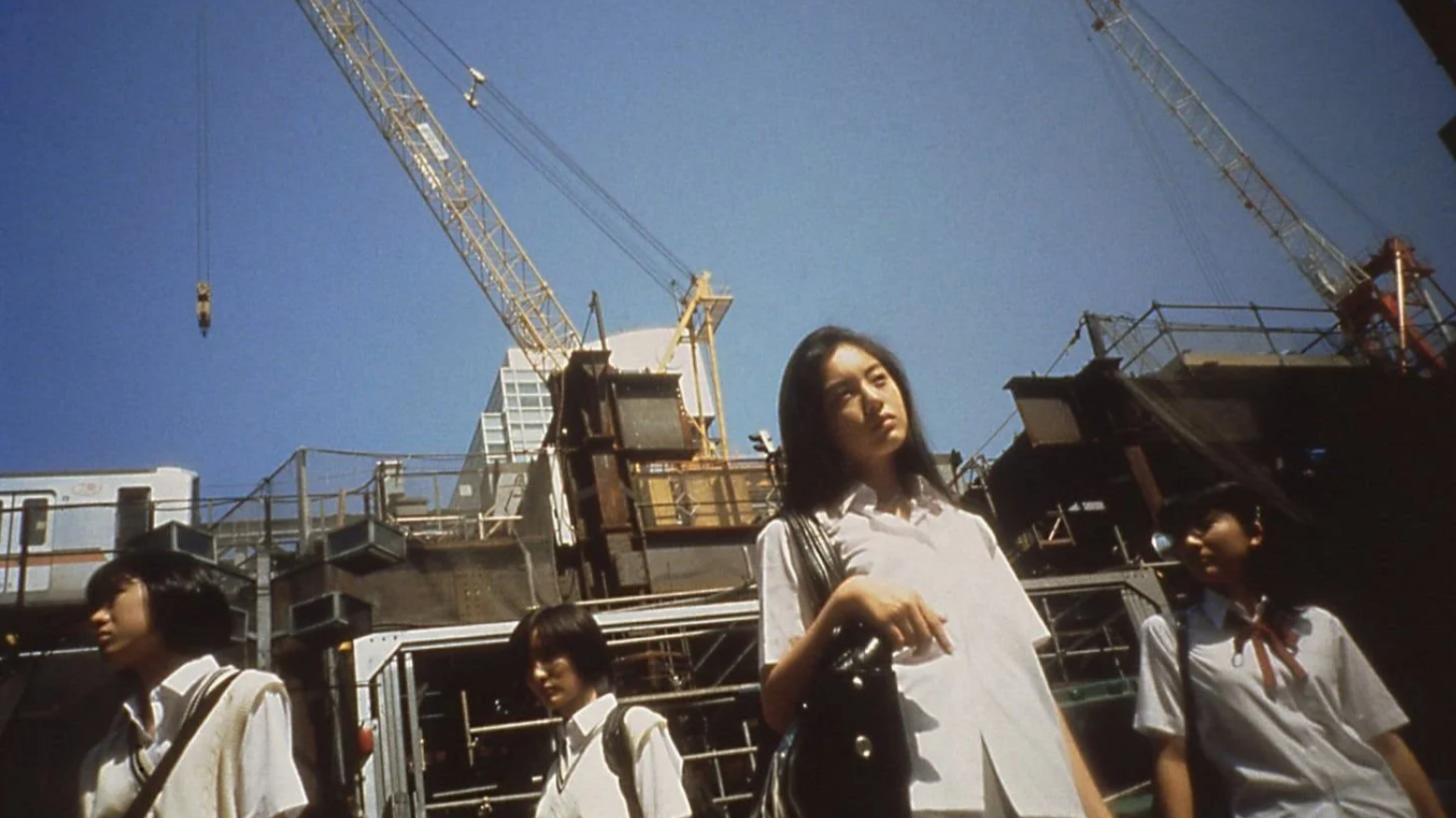
From the 70’s until the beginning of the 90’s, Japan underwent rapid economic growth and became the second-largest economy in the world. Then, the “Bubble” burst in 1990. The renowned economy began to slowly collapse, marking the start of the “Lost Decade”. The families were robbed of their wealth, and the new generation was robbed of its future. The protagonist of Love & Pop, Hiromi, is a part and a symbol of that generation. She’s an aimless teenager, left without a future, with only the present to live for. How can one hold on to the present? She decides to pick up a camera. The camera and her body are the only two commodities Hiromi has, and she tries to make the best use of them. She photographs her life and begins selling her body through “subsidized dating.” Love & Pop offers us a glimpse into a single day of her life.
The heart of the film’s story lies in Hiromi’s stream-of-consciousness monologue at the beginning:

“Things change and disappear before your eyes. It gets all blurry, and then it’s not there. Things you think won’t change… do, meaning that they can. Will I change? Will I be able to? All I knew was that I didn’t know anything. Worldly things always end. Feelings, too. Then again, new places mean new friends. Maybe the world is just the same stuff, over and over. But that doesn’t mean I can’t try and catch it before it goes. That’s what made me pick up a camera.”
Grieving is an everyday thing, and the teenage years are the first time you truly feel the weight of it. It’s the age we start grieving how time passes right in front of our eyes. Everyone deals with that loss differently, and picking up a camera has become a modern defense mechanism, a way to hold on to those moments. It’s essentially a fight against time. There’s this notion that only the present is real and everything else is just in our heads. That’s a gutwrenching thought that is hard to make peace with, especially for teenagers. So, each photograph and video just serves as proof that it was indeed real. For Hiromi, picking up a camera and documenting moments that will be gone forever is a rebellious act against the passage of time. Sure, it sounds a little naive. But who isn’t naive at 16? I’m confident even Susan Sontag wouldn’t be as critical of photography in adolescence.

The first thing that crossed my mind while watching the film was how simple and low-budget everything looked, yet how daring and new it felt. That’s a combination that really messes with the part of your brain that tells you that you, too, can create something of artistic value. When you watch a film that pushes boundaries of cinema with limited resources, like Love & Pop, you are just left with no excuses at all. There is no higher praise for a piece of cinema than its ability to inspire the audience to pick up a camera and challenge the form themselves.
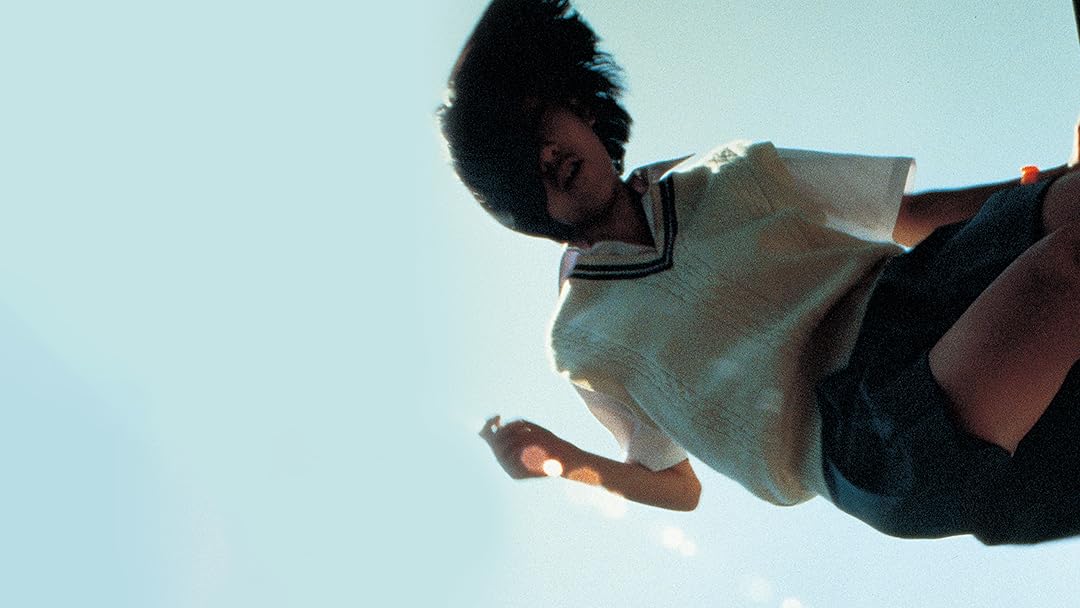
In Love & Pop, tension is ever-present. You aren’t just curious about where the story is going; you want to see the next camera placement, the next movement, the next editing choice, the next distortion of the image. The film is a real testament to how we limited ourselves in filmmaking, sticking to one “right” way of doing things. It shows how there is a plethora of new methods for telling stories, even with a shitty digital camera. This was the live-action debut of a director famous for his work in animation, and that explains a lot. Animation offers a freedom that cinematography lacks. Hideaki Anno was looking for the same level of freedom in a new medium. He found it by rejecting the conventional rules of filmmaking, and the result remains completely novel to this day.
About the Author
Leo Mikaia is a self-declared film expert who enjoys sharing his thoughts about under-appreciated pictures in short and disjointed paragraphs.
“It started at age nine with a magnetic pull toward Jackie Chan leaping across rooftops on TV. Years later, realizing I needed to be part of the spectacle, I turned to writing. My career began with creating video essays about films for Adjaranet.com and writing articles for Cinemania.ge. I’ve spent my life chasing that feeling, writing wherever I can to keep the connection alive.”
He will be writing film reviews for our new column The Kids Aren’t Alright. Stay tuned!