Furia Collective: From a Shared Vision to a Growing Community
With our new editorial series Inside Collectives, we invite you to step into the worlds of diverse art collectives shaping today’s cultural landscape. Today we talk with Furia Collective.
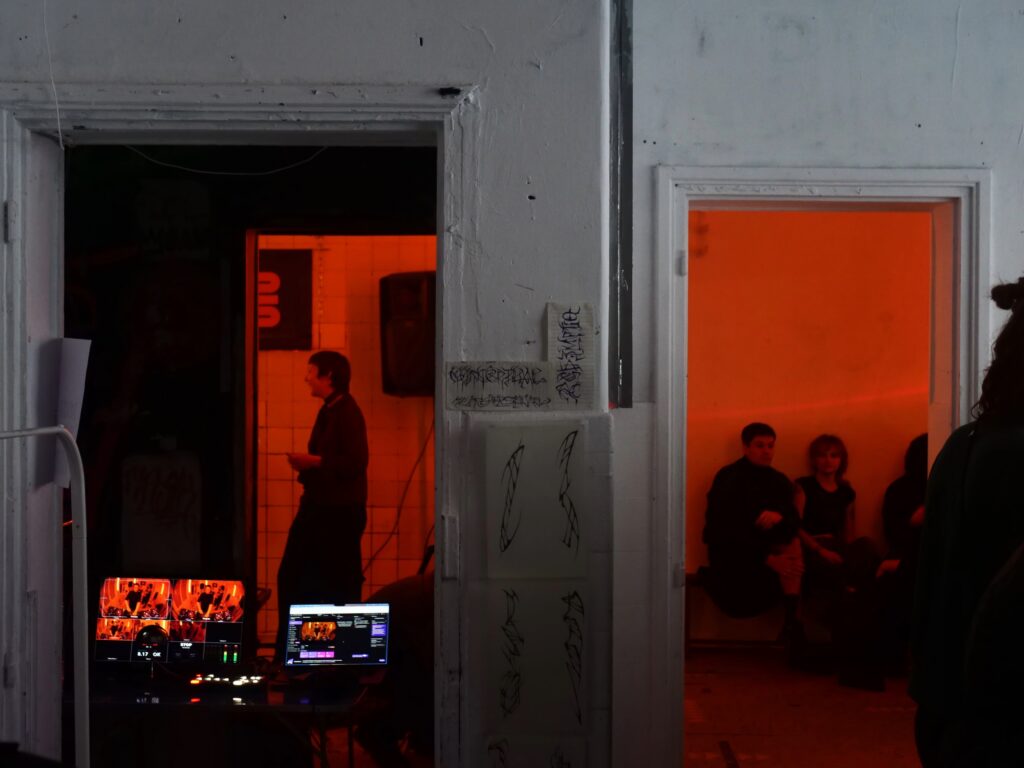
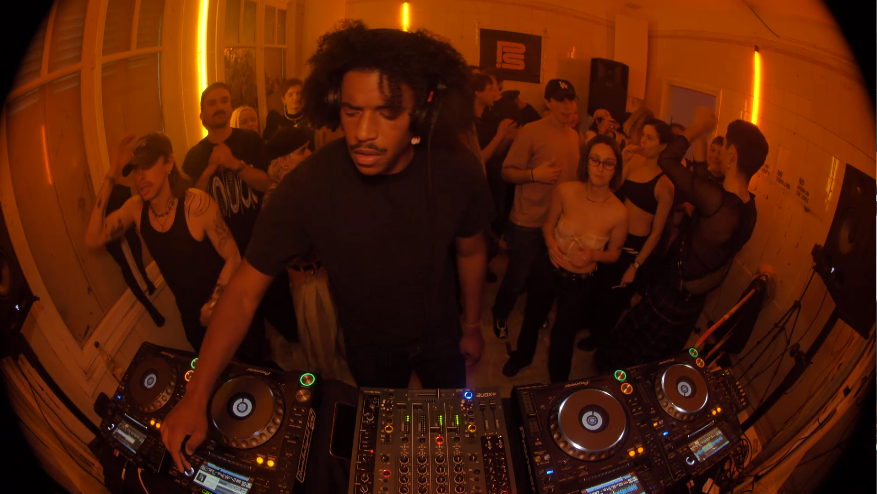
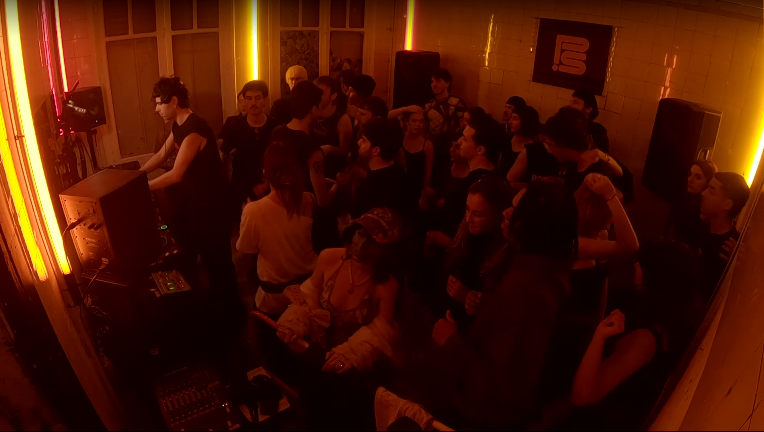
Based in Paris, Furia Collective has built its practice around two recurring formats: Hedony, a series of techno events hosted across different venues and often in collaboration with other collectives, and Podium Session, a monthly livestream recorded inside a squat just outside Paris. There, a carefully selected audience gathers around the DJs as one-hour sets are streamed live, turning the room into both a dancefloor and a recording studio.
I first came across Furia Collective through the Podium Session. Watching the livestream, what caught my attention wasn’t only the music, but the atmosphere. The crowd felt fully present, the energy effortless, and the line-up introduced me to artists I hadn’t come across before.
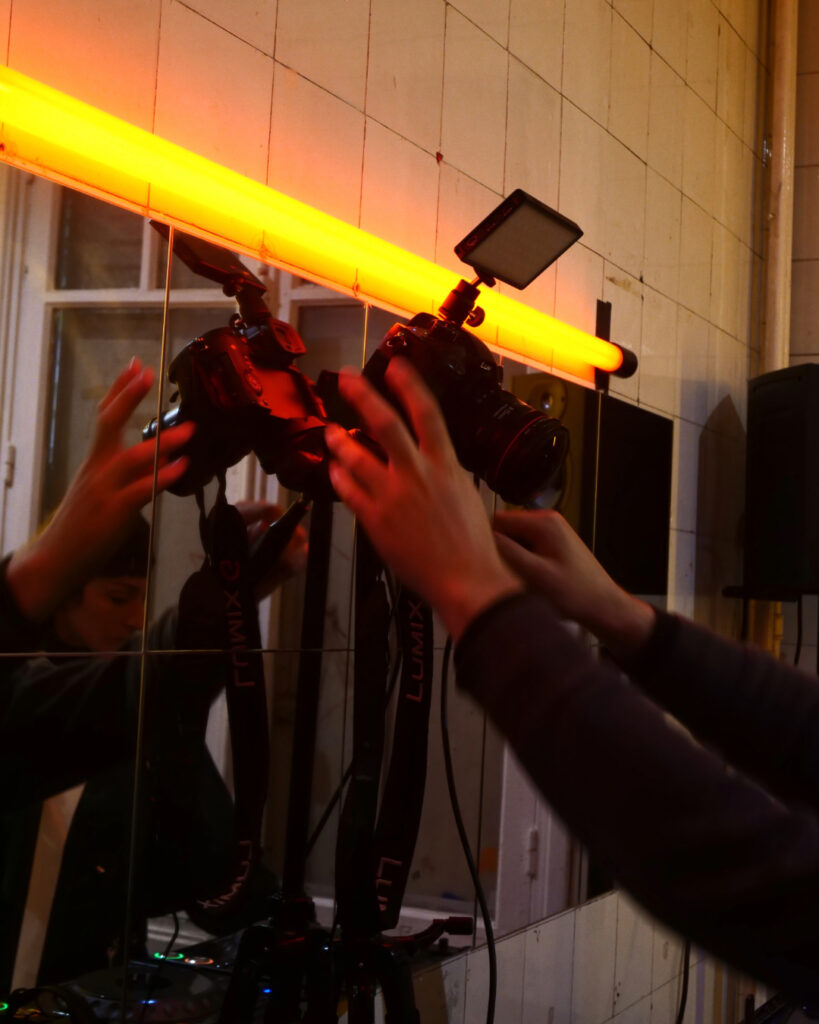
A few weeks later, I attended my first Podium Session, arriving early to help set up the space. Seeing an empty room transform over the course of a few hours made one thing clear: every detail was intentional. The lighting, the scenography, the livestream shots, the booth, all contributed to a space that felt immediately recognizable as theirs. Since then, I’ve followed the collective through its different projects. Whether it’s Podium Session, Hedony, or their Furia Podcast Series, each format feels different while pursuing the same idea: creating spaces where music and community come before scale.
One of the best examples was Hedony at La Station – Gare des Mines. It wasn’t only the carefully curated lineup or the scenography, with its light, airy draped curtains that completely transformed the space. It was the way people interacted. Strangers smiled at each other on the dancefloor, conversations started naturally, and there was a genuine sense that everyone was simply happy to be there.
For the third edition of Inside Collectives, we spoke with the members of Furia Collective about how the collective came together, how it has evolved over the past three years, and why intimacy remains at the center of everything they build.
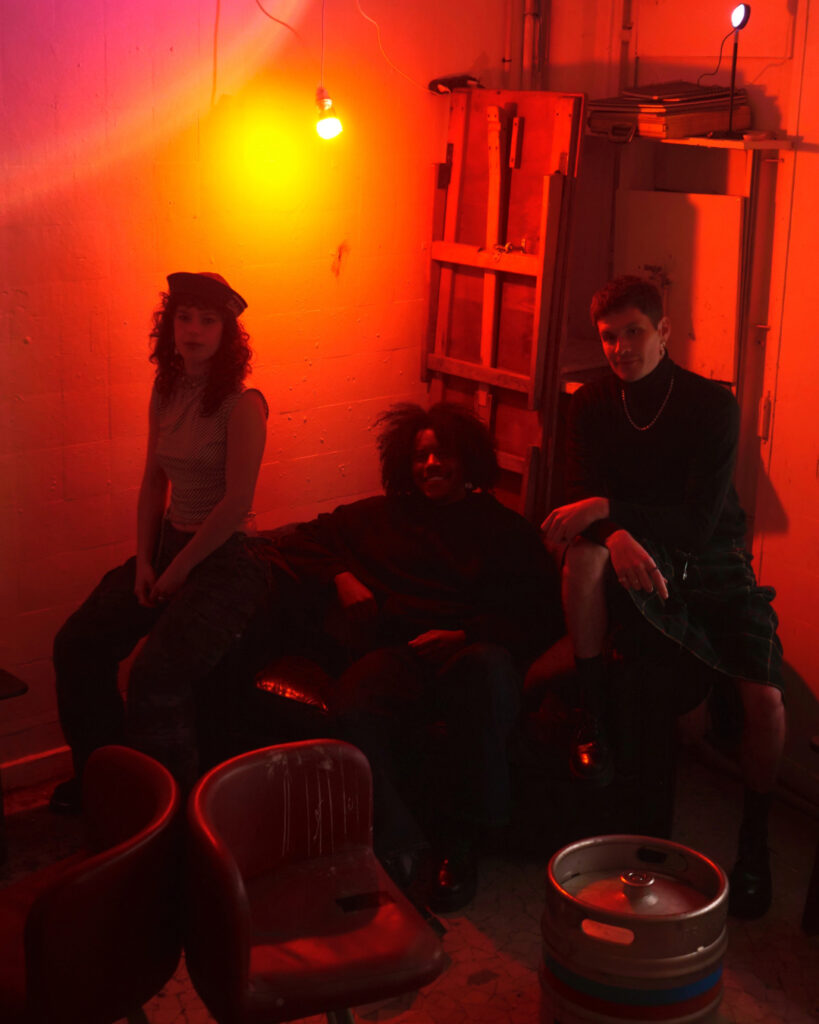
Why did you decide to start Furia Collective?
Furia Collective started in a bar. We had a good relationship with the owner who liked our energy and asked us to organize some events there.. It was at La Grappe d’Or in the 18th.
Whose idea was it, and what was the original impulse?
It was a collective idea. When the owner wanted us to organize some parties in his bar, we asked our friends to join. In the beginning, it was maybe 12 of us.
How did the founding members come together, how did people join?
After organizing several editions, we started to notice how receptive people were to our energy. So, we started to take it seriously. Some people left, and the ones who stayed decided to really think about what we wanted to bring to the Parisian scene. We were all frustrated about how the energy of good partying vanished after Covid.
Did the project begin with a clear idea or did it take shape over time?
Our vision and values were clear, but we didn’t know how to make it concrete. We were struggling to find a good place, the perfect format, and we didn’t want to compromise. So we kept on working, searching for the occasion to launch something real and true to our vision. Nine months later, the collective was officially created – nine months of saying to our friends and future crowd “stay tuned” and finally, we launched both our main projects in one really intense weekend: Hedony and Podium Session.
How many people are involved in Furia Collective today? Who are they and what are their roles?
Today we are more or less 20 people. Marianne, Arthur, Vincent, Younes, and Lucas co-founded the collective. EVK, Juste S, and A.mo are our residents. And, there are some members that joined us nearly since the beginning such as Lucie and Oscar, or others who joined us recently such as Clara, Clément, Louise, Félicité, Hugo, Lenaig, Théodore, Samantha, Ambre, Liam, Jules, Léa, Paul, and maybe more to come.
How did roles form within the collective? Were they decided from the beginning or did they emerge naturally?
It came from the beginning but it stayed very fluid. The basic principle was to focus on each member’s skills and we were lucky to complement each other very well from the beginning. With time and experience, our vision sharpened and we were more and more realistic about what was missing in terms of skills and workload, and that’s why we started to search for some reinforcement. But our main selection criteria was about the vibe and the energy of people we wanted to welcome in our project. To us, skills are important, but the most important thing is to share values, vision, and kindness, so that we can stay on track with our projects and generate the best possible energy as a collective.
Does the established collective structure feel stable and unchanged, or does it shift depending on projects?
We wouldn’t say it is stable, because it’s evolving. A lot of people joined us this year and we’re still on track to find a balance, but the roots and the foundations stay unchanged. We’re still working with the same principles, the same dedication, and the same passion about what we are trying to build.
How do you make decisions and who has the final word?
If there are decisions that require being made fast, the co-founders usually have the final word, but in principle, we try to take decisions as a collective, to discuss, to exchange point of views, and to reach a mutual agreement.
Tell us about the Podium Session. How does it function, what are you trying to create with these types of events and how is it different from the others?
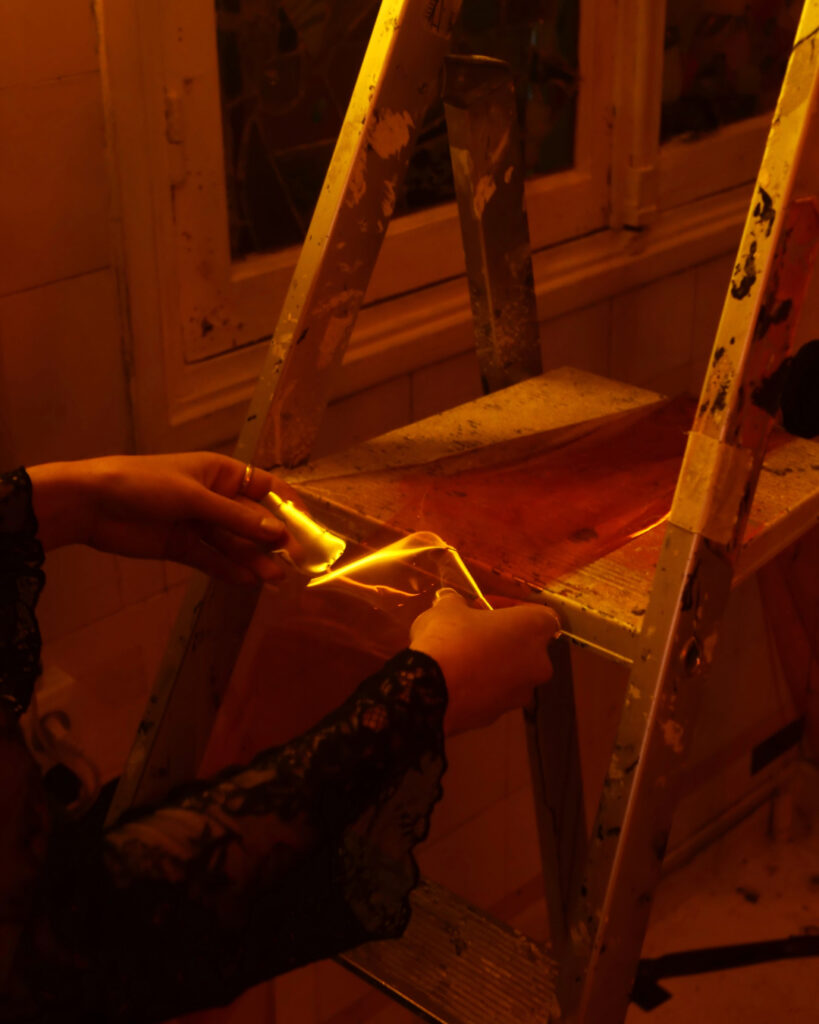
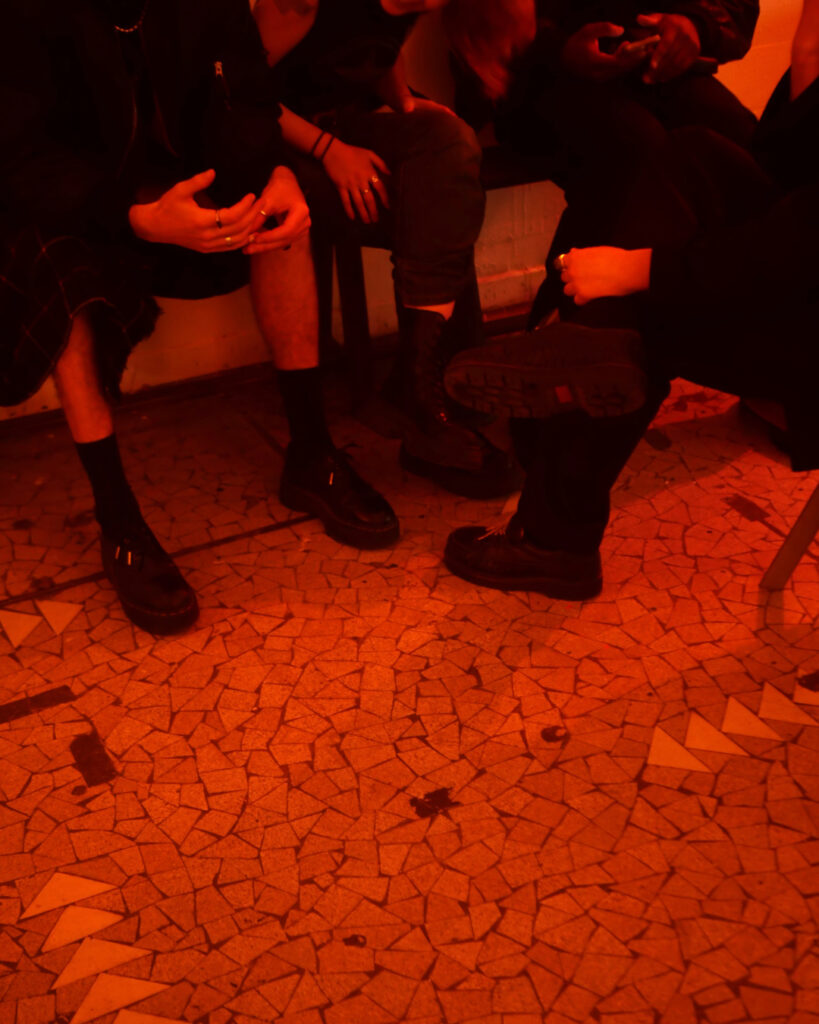
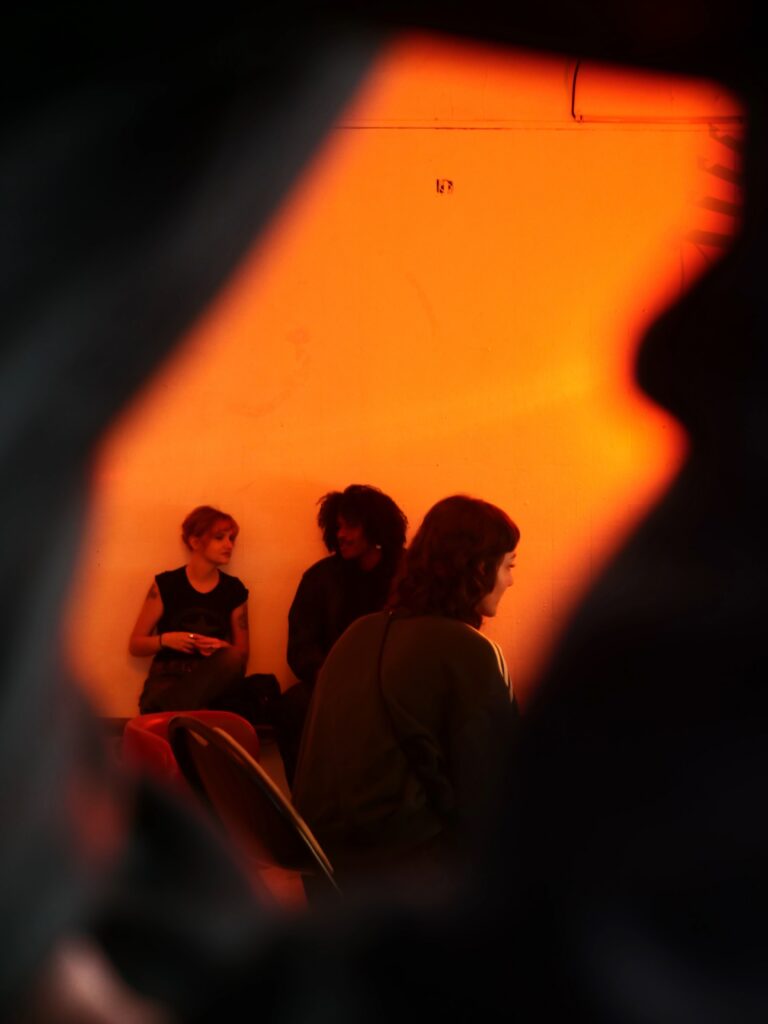
Podium Session is about creating an intimate event where dancers and music lovers can gather and provide their energy for artists, who are free to express themselves and to show their musical and artistic identity to a wide audience through the livestream format. We also want to highlight the Parisian scene, its energy, and its musical diversity. We want to show that it is underrated and full of talented artists. We want to demonstrate that the techno scene embodies authenticity, joy, and freedom, and that it’s a wonderful space where people can feel at ease. Seeing all the smiles at the end of every Podium Session is the best reward for us and the sign that the project is on the right path.
Do you want to keep the format as it is, or after a certain time you would like to expand it?
We really want to keep it as it is. The project is about intimacy, warmth and creating a connection between artists and the audience. Over time, it has also become a space where people can connect easily between each other. The intimate format and carefully curated audience creates a warmth and family-like atmosphere that encourages to open, to meet one another and to have meaningful connections. Expanding for the sake of growing has never been the goal and it will never be. We’d rather preserve what makes Podium Session special and continue refining the experience than scale it up and lose its essence.
Tell us about the collaboration between you and Feieramt. How did that event come together? How do external partnerships like that work? Who initiates, and what does each side bring?
It starts with friendship, shared values, shared vision and passion for techno, and the will to work with people we like as human beings. Maris Shilton, founder of Feieramt, is a very good friend of Lucas and Arthur, therefore, the connection was easy, and the collaboration between both our collectives came naturally. Basically, we started to receive some requests for collaboration, and we had to quickly find a way to sort them. The easiest way is to only collaborate with people we have a connection with, our projects have been like a friendship, nearly a family affair as they are about community. So, we want to continue focusing on that rather than on business and expansion for the sake of expansion. It’s about energies, feelings, community, values, and we are doing our best to stay true to these values.
You also organised an After Party event. Is this a new format of events you are adding to the already existing event series or is this something different?
We started this format about a year ago. It’s an intimate afterparty with a 200-person capacity, where we aim to highlight talented friends and artists through line-ups that are always carefully curated. It’s a different kind of gathering, it’s more spontaneous, more accessible, and less centered around the curation as there are always secret line-ups. We particularly enjoy hosting them during spring and summer, as the boat offers a unique atmosphere that perfectly matches the spirit of the project. We see it as a recurring rendez-vous for our community, a space to focus on connections, good music, good people.
Tell us about your other recurring series – Hedony events and Furia Podcast Series.
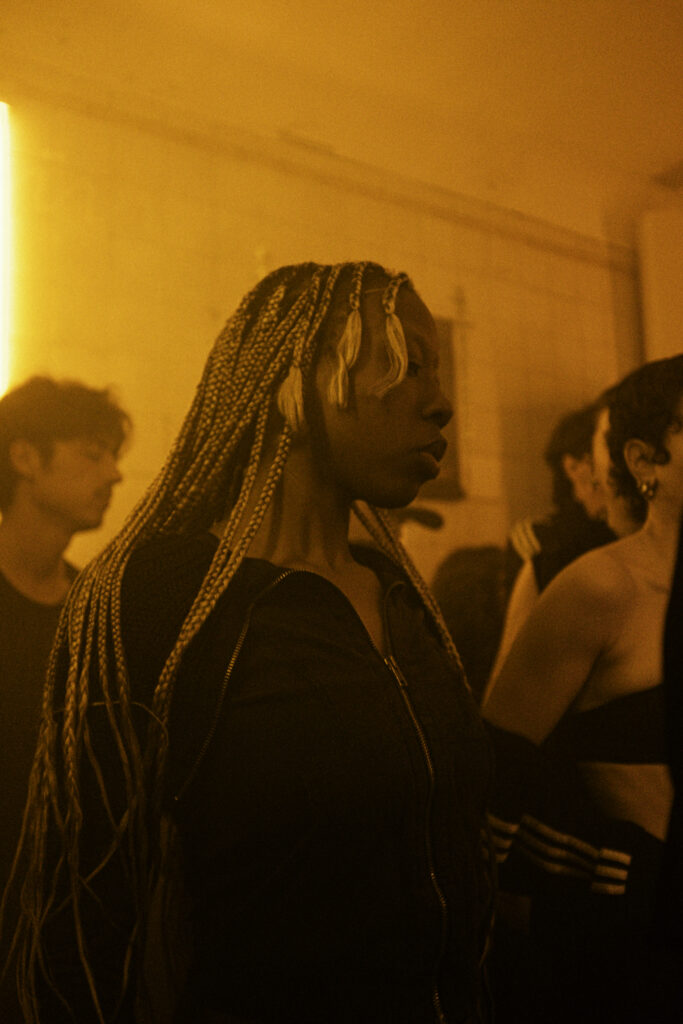
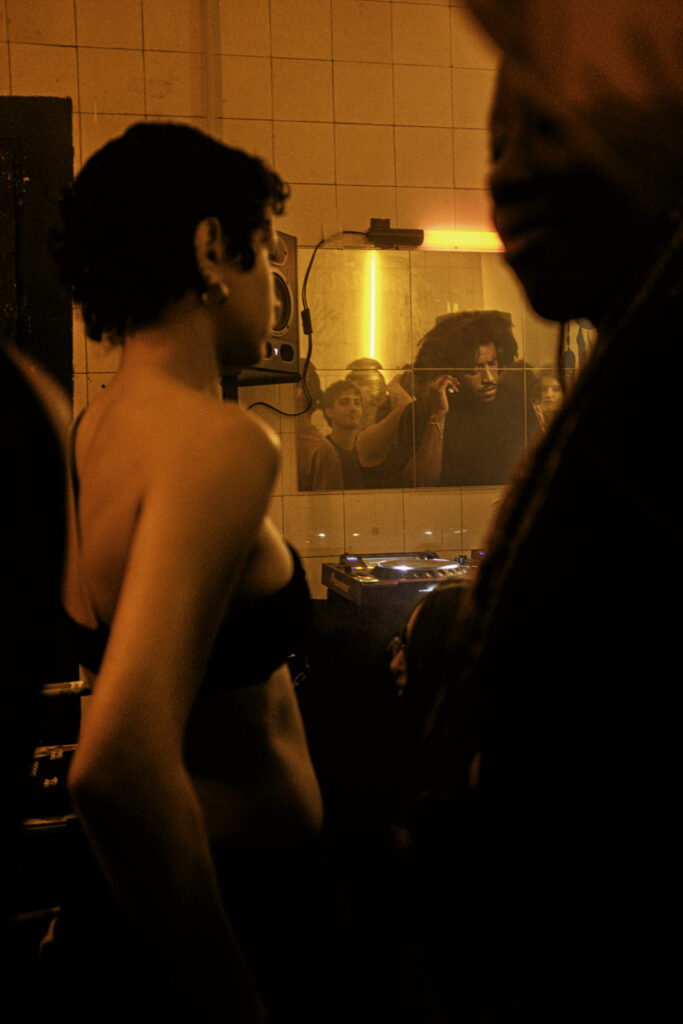
Hedony is a series of events where we try to blend different types of art, and to bring back the Sunday day parties to Paris. As we mentioned earlier, our main concern was to bring something new to the Parisian scene, something that could be missing and that could bring freshness to the scene. That’s why we wanted to focus on day parties on Sundays, deeply inspired by Concrete, BPs, Spectrum two-day editions, but also to bring something more than just music. That’s why we try to bring different forms of art into our Hedony series. For instance, we created signature scenographies, inspired by what Myst used to do. We also had a live singer, Frieda, and a drummer, Anas, who performed live techno sets during Hedony 002. During Hedony 003, we invited Josie Studio to create an immersive scenography with flowers at Fvtvr, and at Hedony 004 Léa and Felipe made a wonderful dance performance that came with a specific scenography.
For our podcast series, we stuck to the same principles: bringing something new. That’s why Furia Podcast Series is about offering artists a free space to express what they usually don’t, with a slower pace, under 130BPM, and to communicate with the audience by choosing a title and by writing a short text that comes with their mix.
What guides your selection of artists and what are you mostly looking for in a mix?
Our selection is about authenticity. We try to highlight artists that have a distinctive universe, a proper signature, a specific sound, and who, behind their technical skills, have an impact and mark the audience when they deliver their music. We also want to give a space for our talented friends and emerging artists, to provide for inclusive and representative line-ups. It is important to us that people from underrepresented and marginalized communities feel represented and empowered to develop the idea that it could be them behind those decks.
Your events are quite selective. How do you think about access and inclusion?
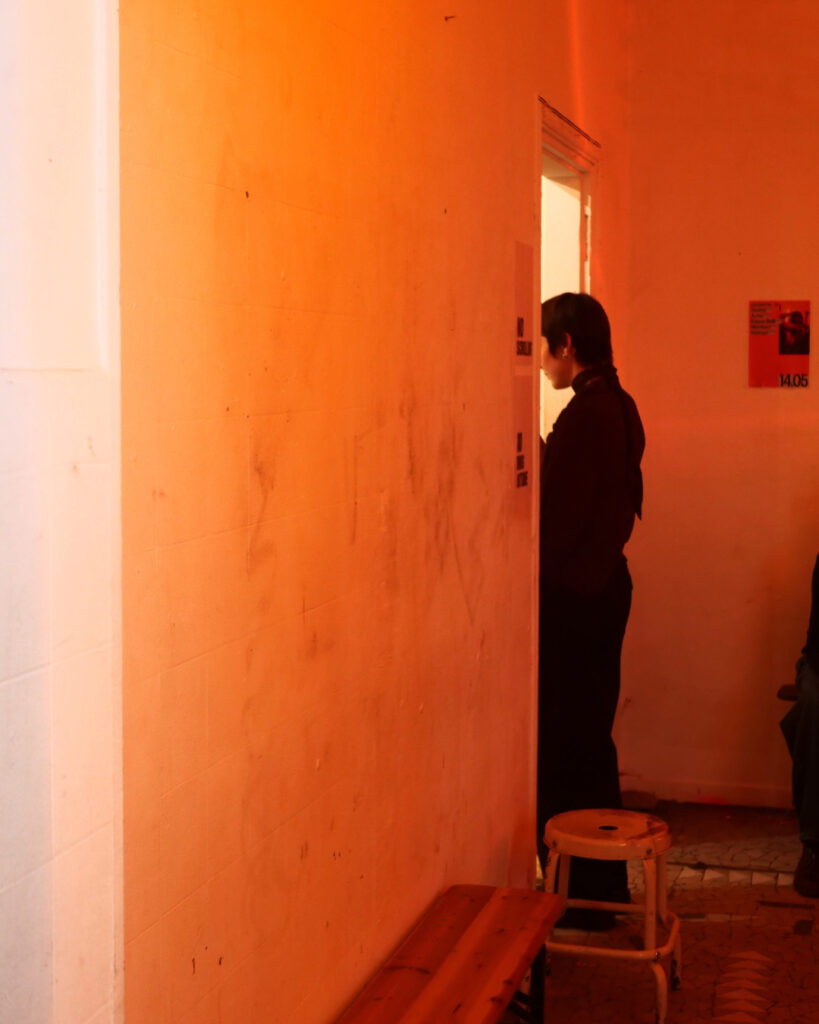
Our events are selective because we try to protect our community, to protect the atmosphere and energy which provide safety for our people. But we’re always ready to welcome new people. We try to have a filter at the entry, but also to educate people that want to discover our universe, to share our values with a simple speech and discussion before they enter our events, so that once they are in, they have all the elements to fit in and to enlarge the community. We are optimistic that there are a lot of good people who would easily become a part of our growing community, with the proper keys to understand and embody the spirit of our projects.
Do you see a consistent crowd forming around Furia Collective? And is the goal to grow that audience or to keep it intentionally limited?
Yes, clearly. From day one, we’ve been so happy to see a consistent crowd forming around Furia Collective, and we’re incredibly proud and grateful for it. Our ambition is to grow the community and welcome anyone who shares our values, but not to make our events bigger. We want to keep this intimate, human-sized and community-driven atmosphere that defines our vision. To us, growth is about creating stronger connections and bringing more like-minded people together, while keeping the family spirit and warmth that makes these moments special and unique.
What has been the most difficult part of building Furia Collective so far? Has anyone left the collective?
Yes. About a year ago, we had to make the difficult decision to part ways with one of the co-founders. We realized that we no longer shared the same vision and values, and for a project such as Furia Collective, that alignment is essential. It was probably the most difficult moment. Furia Collective was born as a project between close friends before becoming a collective, so this situation affected us both on a personal and organizational level. For a moment, it made us question everything and forced us to take a step back. It was a turning point. We took the time to pause and to reassess the project, understand how we got there, improve our communication and redefine our foundations. It led us to restructure the collective and become much more intentional about our values, our processes and the way we work together. At the time, we weren’t sure we would recover from it. Today, we’re proud that we did. The experience taught us a lot about trust, accountability and the importance of open communication. Since then, despite the challenges that naturally come with any collective project, the energy within the team has never been stronger.
In which direction do you want to take Furia Collective next? What are you trying to build long-term?
For now, and with humility, we simply want to consolidate what we’ve built over the past three years. We want to develop a consistent presence in the Parisian scene, strengthen our community, and share our vision with everyone who needs it in their life. We are passionate about what we do, and our sole ambition is to provide our community with the best conditions for partying in safer spaces. We want to continue providing a sense of wonder and unique experiences and to find spaces and venues where we can do so.
Are there formats or ideas you feel ready to explore now? Is there something you would like to do but currently can’t?
We have some ideas we are currently working on, with a more contemplative approach, but still the same core values about music, experience, intimacy, and community… Stay tuned !
If you had unlimited resources, what would Furia Collective become?
Honestly, the core of the project wouldn’t change. We would still be driven by the same values, the same vision and the same desire to build meaningful experiences around music and community. What would change is the quality of what we would be able to offer. We would invest more in sound systems, artistic curation, not meaning headliners, but for instance, inviting lowkey artists from abroad. Also scenography, performances and the overall experience.We would also be able to provide better conditions for artists and performers, to give them the opportunity to realize their wildest ideas and express their vision without any limits.
Another important aspect would be accessibility. With unlimited resources, we could significantly lower ticket prices, and even explore free access for certain marginalized communities or people facing financial difficulties. It would also allow us to have a greater impact beyond our events. Supporting social causes and community initiatives is something we deeply care about, and we’re often thinking about how we can contribute despite our current limitations. With more resources, we would be able to engage more actively with the causes we believe in and support them. Beyond that, we would remain the same. More resources would simply allow us to push our vision further, not change it.
We would like to thank Furia Collective for chatting with us and letting us have a glimpse into the behind the scenes of the collective.
Thanks to Elene Datusani (@elene.dt), Thomas Ambrosi (@thomasambrosi.dop) and Félicité Dussel (@felicyte__) for the photographs. Also, thanks to Ketevan Kobakhidze (@ketevanii) for editing the photos.
Follow Furia Collective on Instagram: @furiacollective
Listen to Furia Collective on Soundcloud
Follow Podium Session on Instagram: @podium_session
Subscribe to Podium Session’s Youtube channel
Listen to Furia Podcast Series on Soundcloud