Light, Memory, Belonging: The Photography of Tito Piermarini
People move for many reasons, to start over, to chase possibility, to become someone they have not met yet. We are drawn toward places that promise a different rhythm, a different self. For some, the pull is practical – a job, a relationship, a change of scenery. For others, the movement comes from something deeper – an inner restlessness, a desire to align life with who they feel they truly are. Wherever we go, we carry the hope that the new place will offer clarity, fulfillment, or simply more space to breathe.
Paris is one of those cities that absorbs and reshapes people. It attracts those in search of meaning – artists, thinkers, wanderers – people who are not just relocating, but transforming. Within its narrow streets and smoky cafes, many come face-to-face with questions of identity, belonging, and purpose.
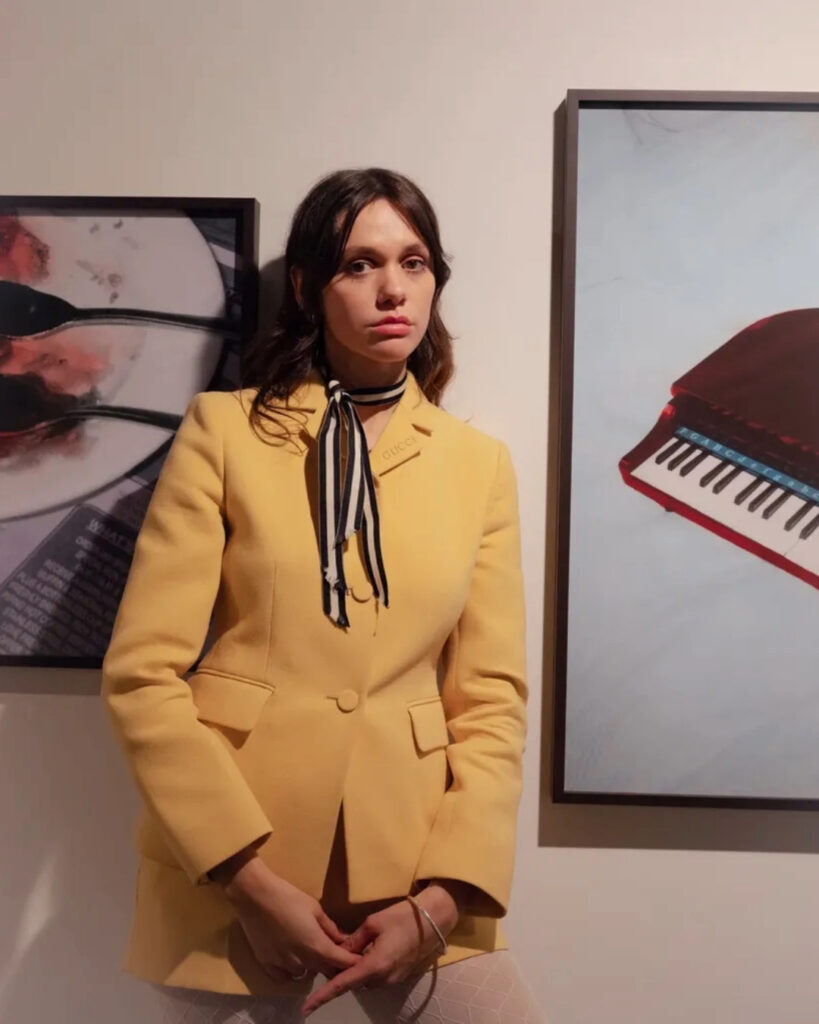
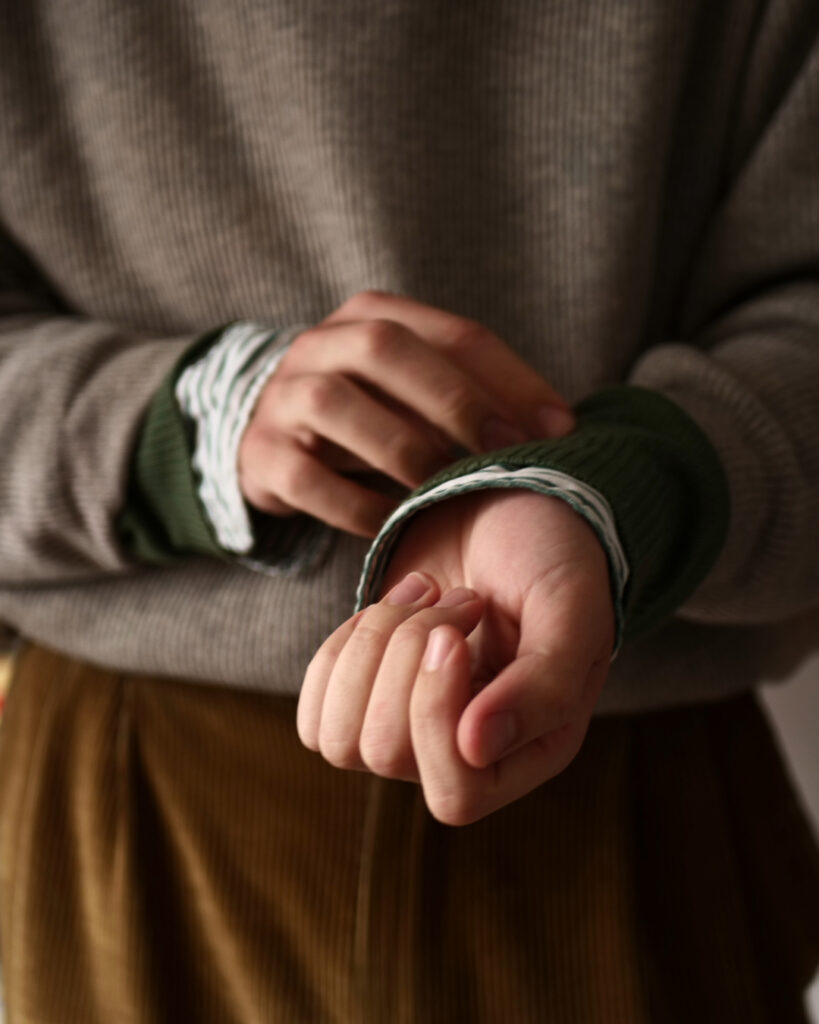
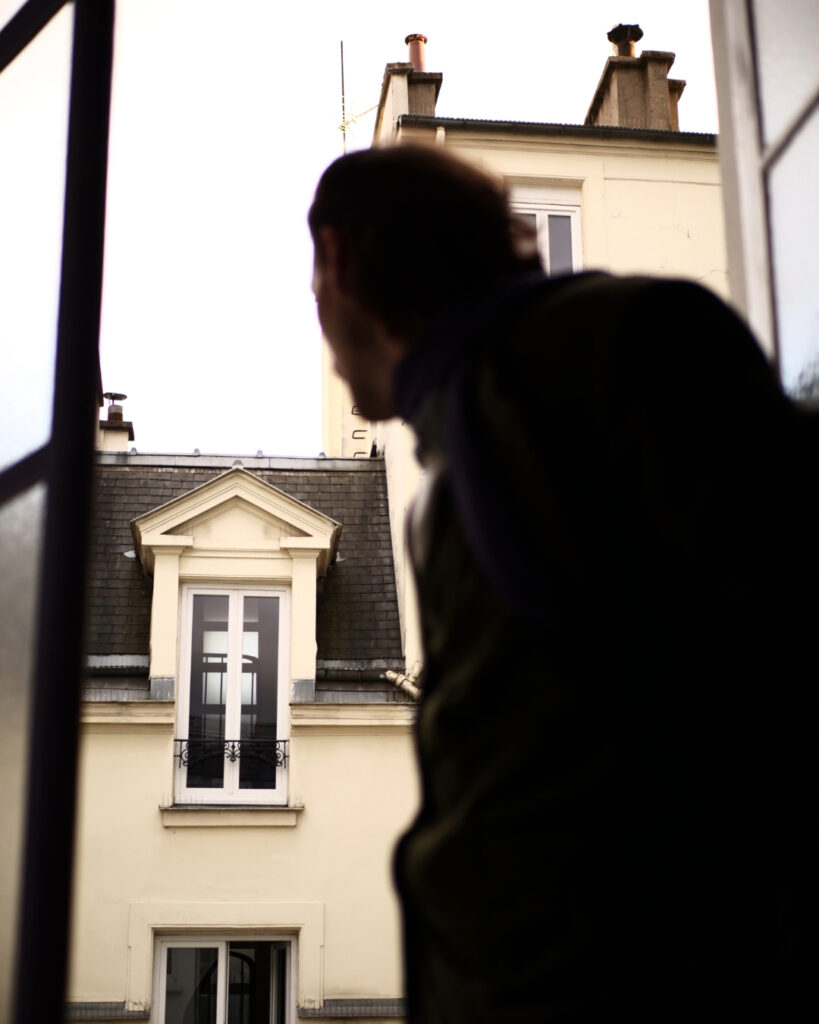
Inside Tito’s small Parisian apartment, these questions take on a visual form. His space reflects a mind constantly observing and reinterpreting the world. Through photography, Tito navigates memory, perception, and the pursuit of a life shaped by intention. Here, amidst the soft hum of the city, we are invited into his process of a continuous reinvention of self, craft, and possibility.
Tito Piermarini is a multidisciplinary artist based in Paris, whose art blends photography, craftsmanship, and ecological design, all centered around sustainable aesthetics and community-driven creation. While refining his photography practice around light and storytelling for both personal and commercial projects, he also does woodwork with sustainable materials in a kind of tiers-lieu (creative hub) in Ménilmontant.
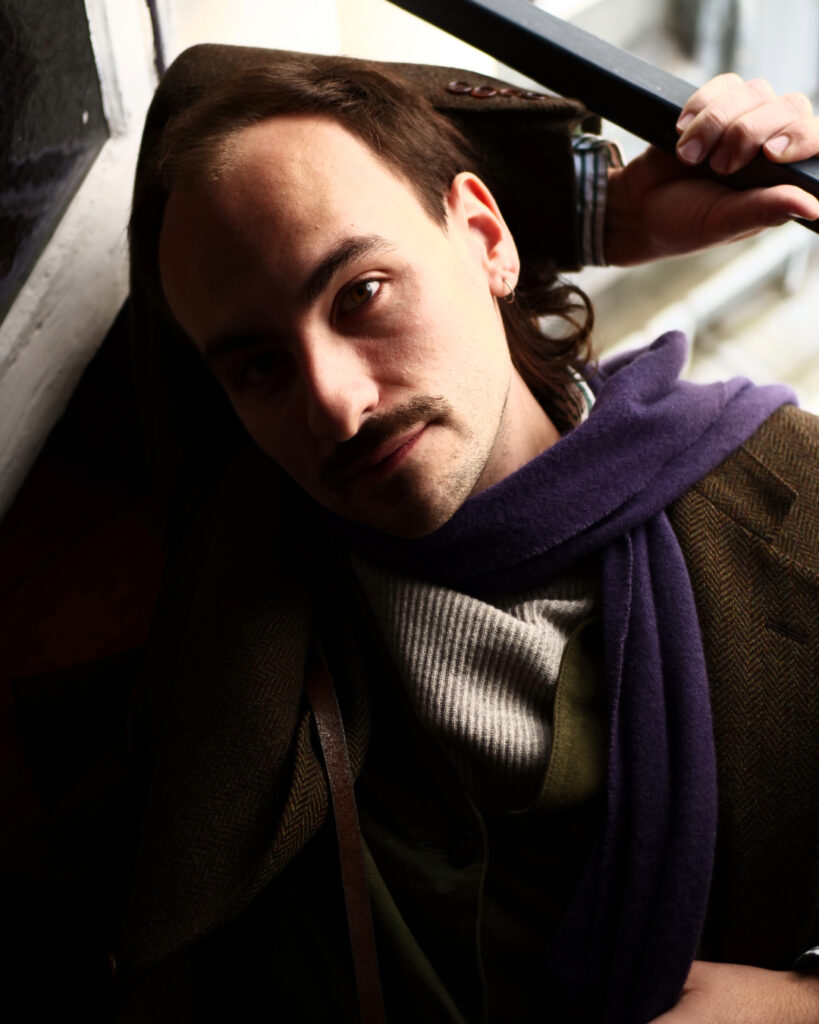
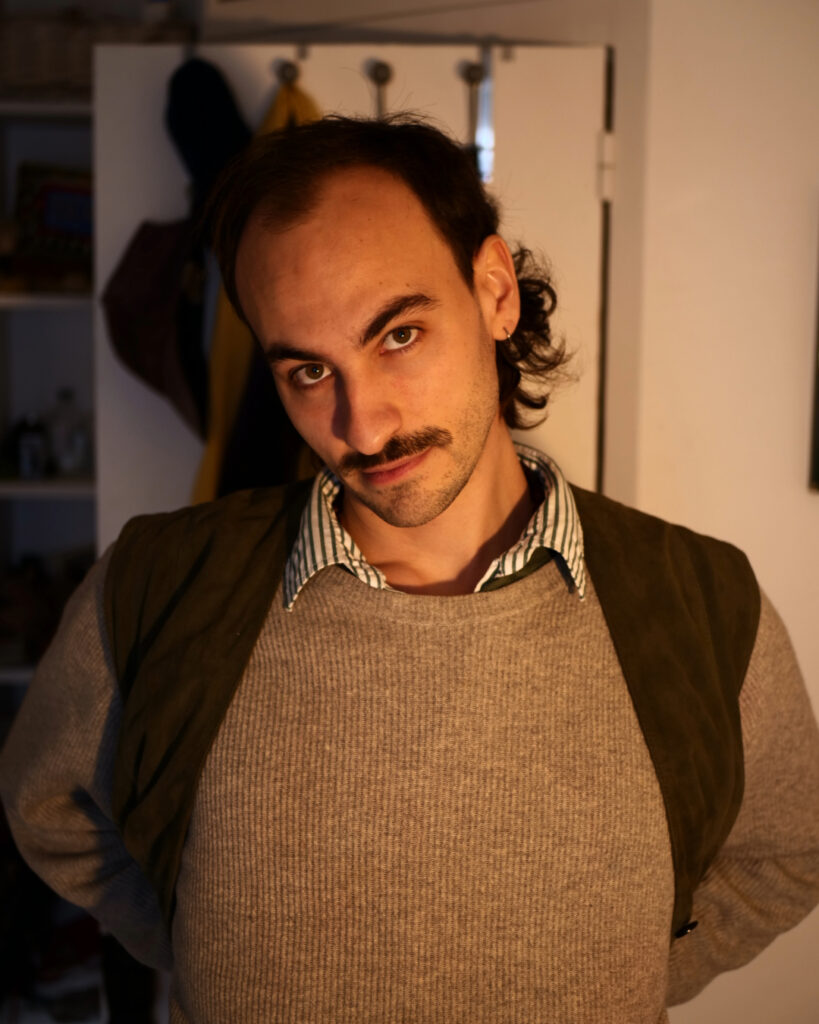
As an Italian who has lived and worked around Europe, he considers Paris a place that is “intellectually vibrant like London, yet deeply human and expressive like Italy.” After nearly seven years in London, Tito reached a breaking point. The city had offered him opportunities and momentum, but over time, its intensity began to feel misaligned with the life he was trying to build. “The energy was great,” he explained, “but the lifestyle did not match my values anymore.” London demanded constant acceleration, the pace was exhilarating but also consuming. Paris, by contrast, felt like exhaling. Here, life takes on a different texture. Days unfold at a slower rhythm, marked not by urgency but by presence. Tito bikes instead of commutes, shops at local markets instead of supermarkets, cooks with what the season gives him. Distances are walkable, friendships spontaneous. He laughs when he compares it to London: “There, you needed a full-time job just to survive. Here, I can actually focus on what matters.” In Paris, the everyday feels intentional. “It is social, a bit hedonistic, but also politically conscious and culturally rich,” he says, describing a lifestyle where enjoying life does not feel like a guilty pleasure, but a shared value.
Artistically, the city offered Tito a supportive network and affordable opportunities for learning, allowing him to grow both as a photographer and a person. “Paris, with its blend of elegance and chaos” – he adds – “inspires a certain sensitivity. But it is also about people: the artists, friends, and conversations you encounter. Creativity comes from that dialogue between place and mindset, not one or the other.”
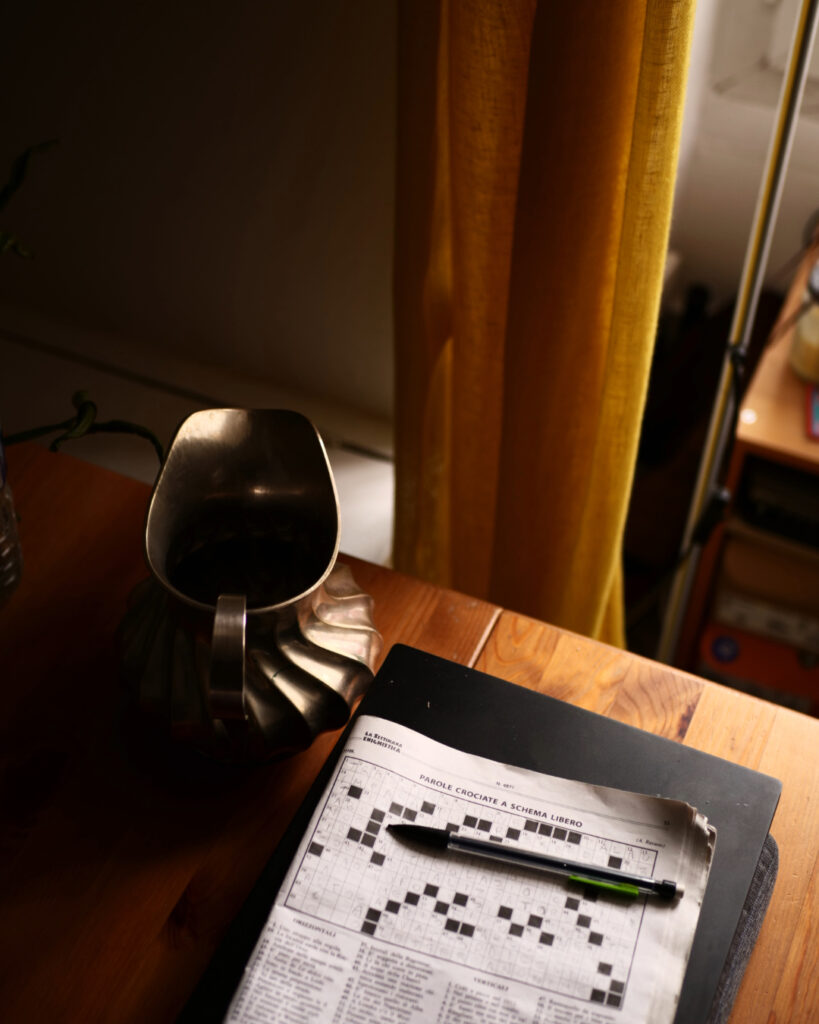
Let’s start from the beginning and get to know Tito’s journey into the world of photography.
How did you get into photography?
Through my father. When we would be travelling, my dad always had his camera with him. I got my very first camera when I was three or four years old. I had this camera that you would hold with two hands. It had double eyes and you had to place both eyes inside to take pictures. It was blue with a red cord. It was neat. Whenever we would travel, my dad would be taking pictures. Just recently, I came through all his albums. So many memories were unlocked. It is crazy. I do not know how it works. Some things just get buried in the brain. But then, that one picture is enough to unlock a whole plot and story around it. Where was it? Was it accessible all this time? How many other stories are there but hard to unlock?
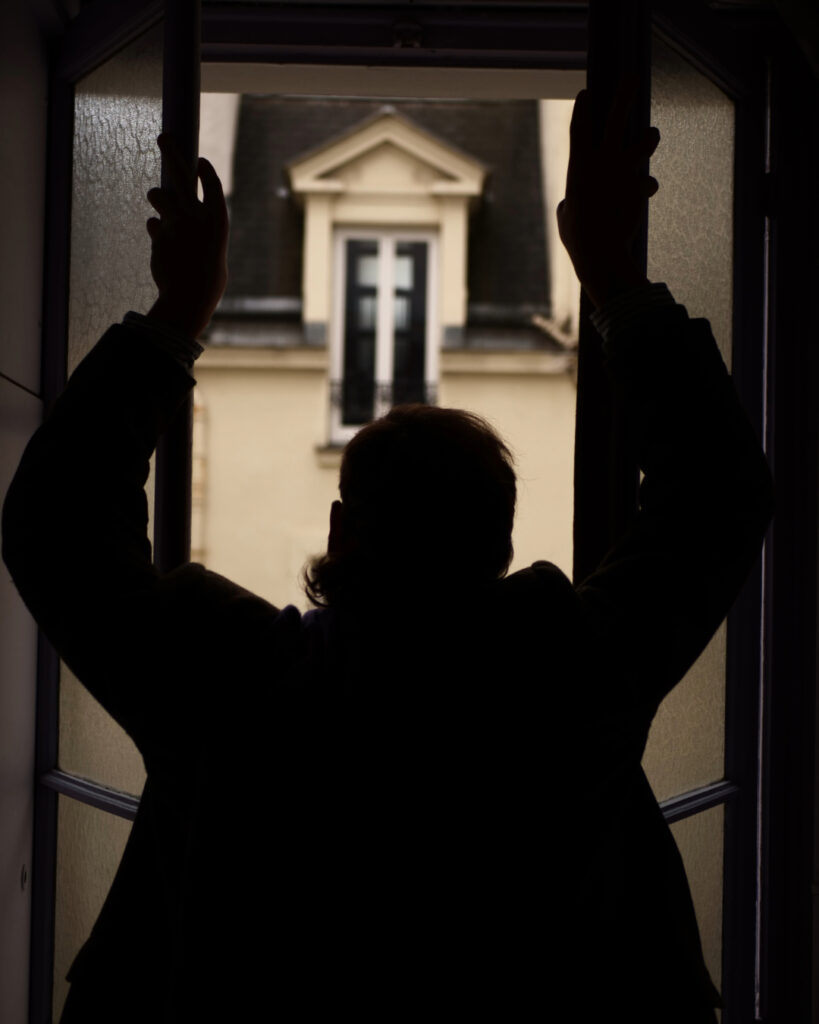
You studied something else, right?
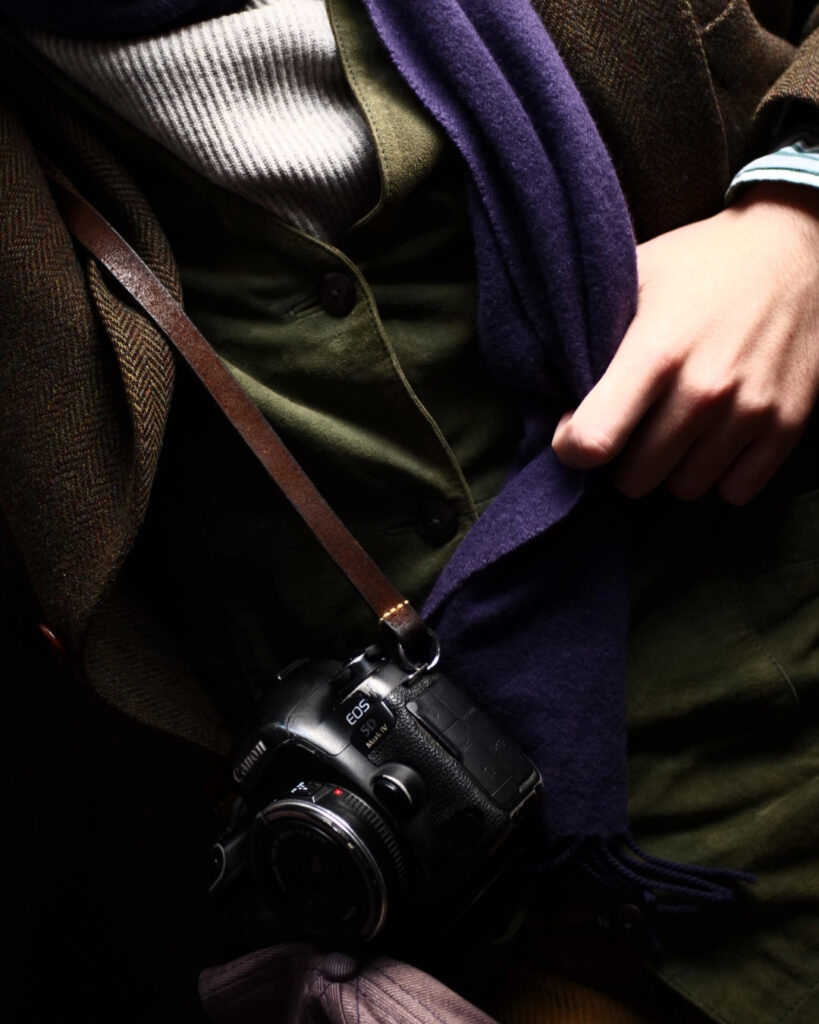
Yes, I studied economics. And then, I did my master’s in urban planning and coding, like smart cities and urban analytics. Photography was always there, kept on the side for a long time. Initially, it was more constrained to the travel environment – if there was a trip, a hike, or a special occasion, the camera was with me. When I first left for a hitchhiking trip, I borrowed my dad’s camera. And already at that time, I was confronted with the fact that if you just take photos automatically, what you see and what you want to show will not necessarily be done properly by the camera. And that is where I started. Probably with the second trip to Ireland, back during my last year of high school, I started gaining more control instead of being controlled by the camera itself. There was this turning point in 2019 when the camera just started being with me all the time. Like if I go out, she is there.
It’s a she?
In Italian, it is. Sometimes I like to Italianize words. But she is my baby. But yeah, it just started being with me all the time because, on the one hand, perhaps it was a time I was reinventing myself. So, it was an accessory, an extension of who I was trying to portray. But at the same time, photography has become a very good way to feel comfortable in uncomfortable situations. Let’s say we are at a party and either I do not feel like the vibes are for me, the crowd is not the one I want to spend time with, or there is a lot of dancing required, and I am not the most comfortable person on the dance floor. If I have the camera, I am fine because I can just focus on taking pictures of people. And people will not be like, “oh, come dance.” They will let you be. And so, it is just a way, I guess, to keep myself, keep my hands busy and be happy in times where it might be harder because of who I am. And I just started carrying camera with me all the time also because if I do not bring it, it is likely that something will happen. And so, I prefer to have it and not take any pictures than not have it and then be like, “fuck.”
How would you describe your style of photography?
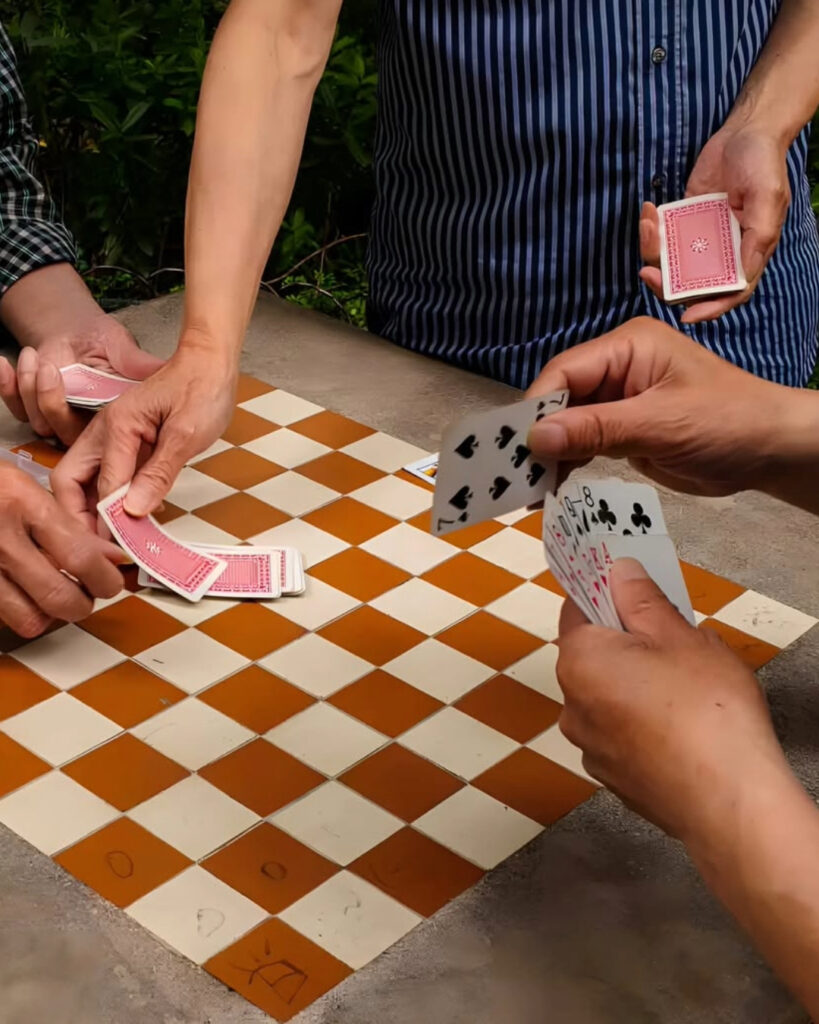
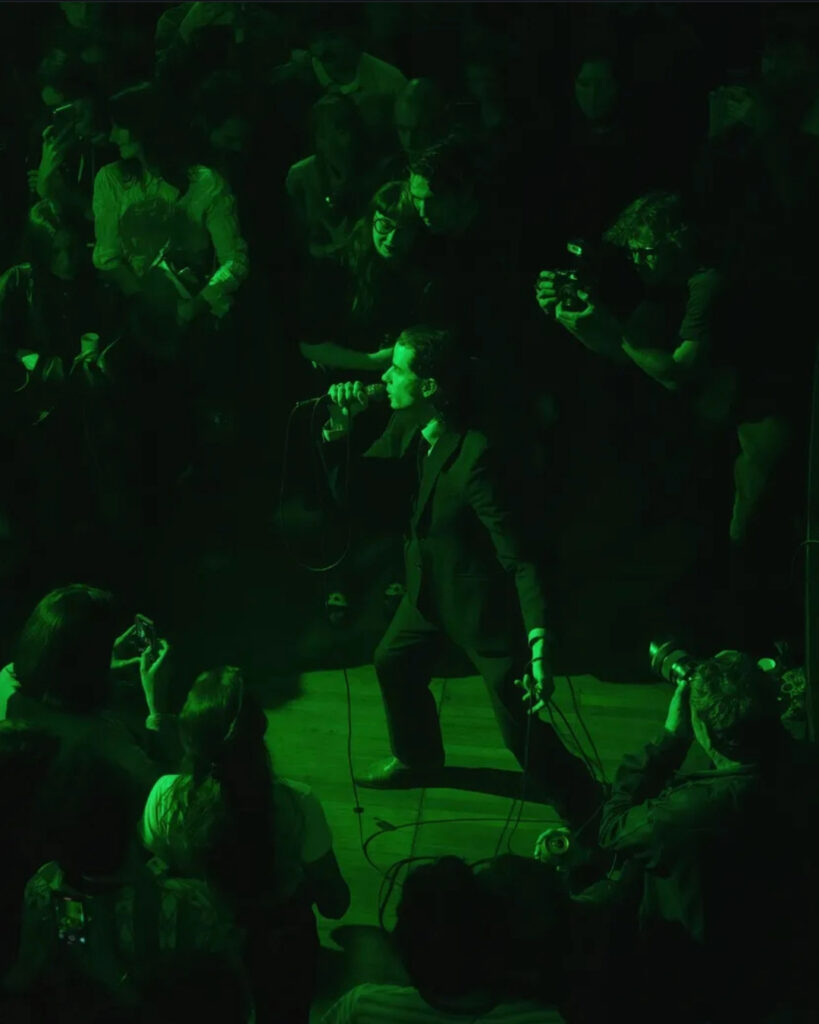
I come from a street photography background. I am more interested in life and reality as it is because without the need to add the blingy things, life itself can already be chromatically beautiful enough to capture. I am interested in sociology and anthropology, and I feel it is just nice to be able to document what happens around us, across different spaces. And not everyone will have the chance to be where I am, just the same way I will not get to be where other people are. So, I enjoy being able to show people something around them that they might not have spotted because they were in a rush or just because they were on their phones. Perhaps narcissistically speaking, I show people something they missed that, in my opinion, they should have known or seen because it is beautiful. You do not need expensive machinery and a large team to build something that tells a story and is beautiful. Yeah, telling a story. I think I love communicating both orally and visually. And photography is something that really allows me to achieve that.
What do you think is the ideal trajectory for you in terms of photography? What would you love to achieve in a way?
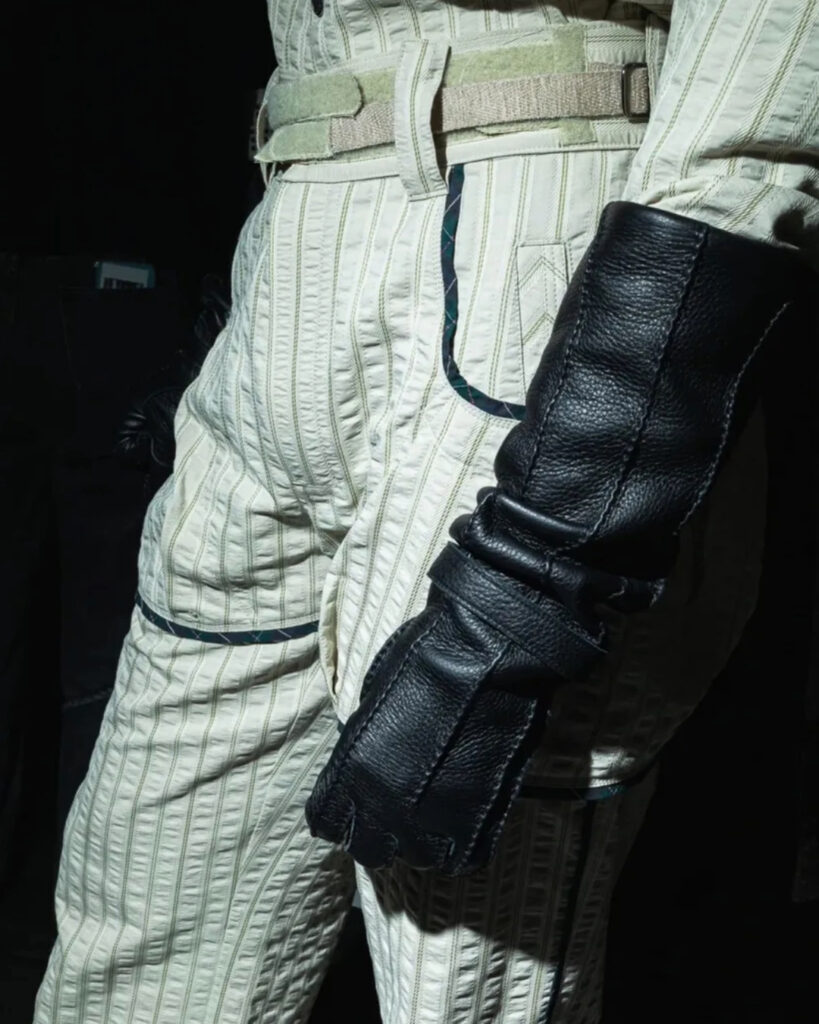
I would like to grow furthermore into fashion industry, not because I care about notoriety but because developing those techniques would be a good addition to my practice. But overall, I would like to reach a point where I am being heard, just like everyone else. There are certain things that I would like to draw attention to. For example, Paolo Pellegrin is a guy who does any type of photography amazingly – be it portrait, war, documentary, nature, or even fashion. And yet, theoretically, he’s just a documentary photographer. If he casts a light over a certain issue, it will receive widespread attention. I would like to be doing that too. I feel like my work in Ukraine, as much as I am happy with it from a visual standpoint, lacks visibility. There are important stories of people being narrated through my shots that lack attention which I would want them to have. Because these people deserve to be heard and because it is important to know about those realities. At the same time, I would hope that those stories could inspire others to do things.
What are you looking forward to? Do you have any upcoming projects? Are there any projects you would like to work on?
I had been postponing basic accessories of a professional photographer’s life, such as a website. And now I have finally managed to deal with this. Also, I am looking forward to getting my hands again onto my book. I have been gaining more understanding of InDesign, which for a long time I had felt a bit as an obstacle to the possibility of preparing this book.
Can you tell us about your book?
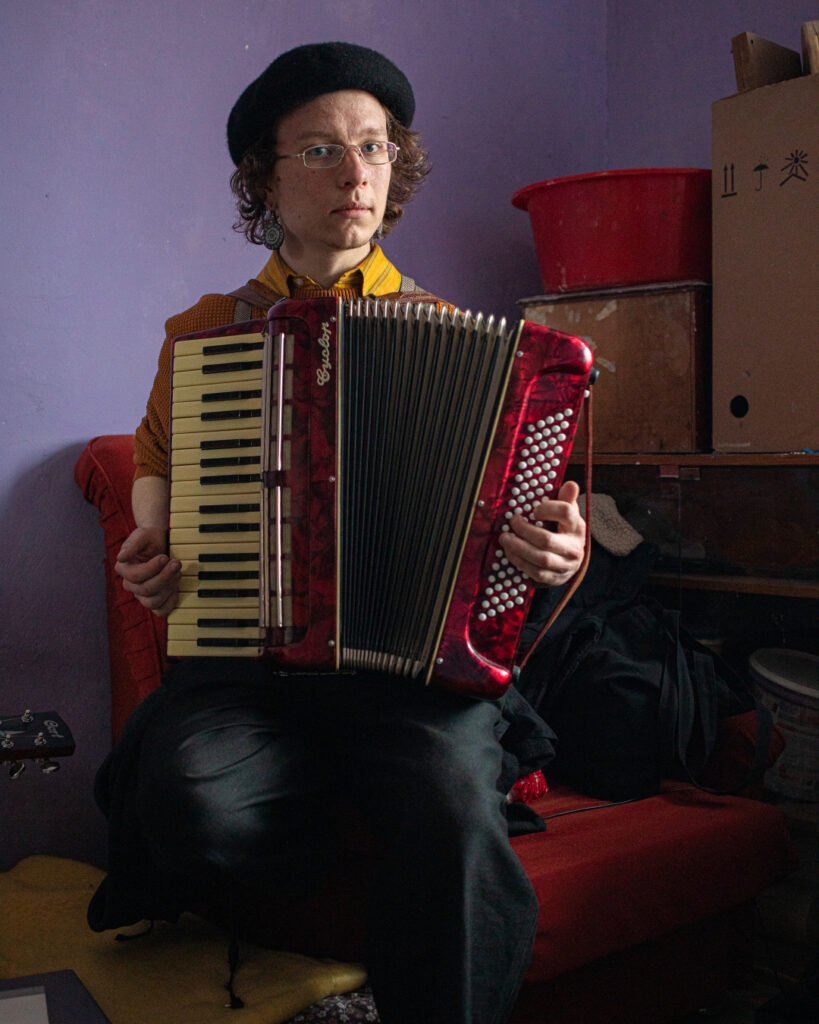
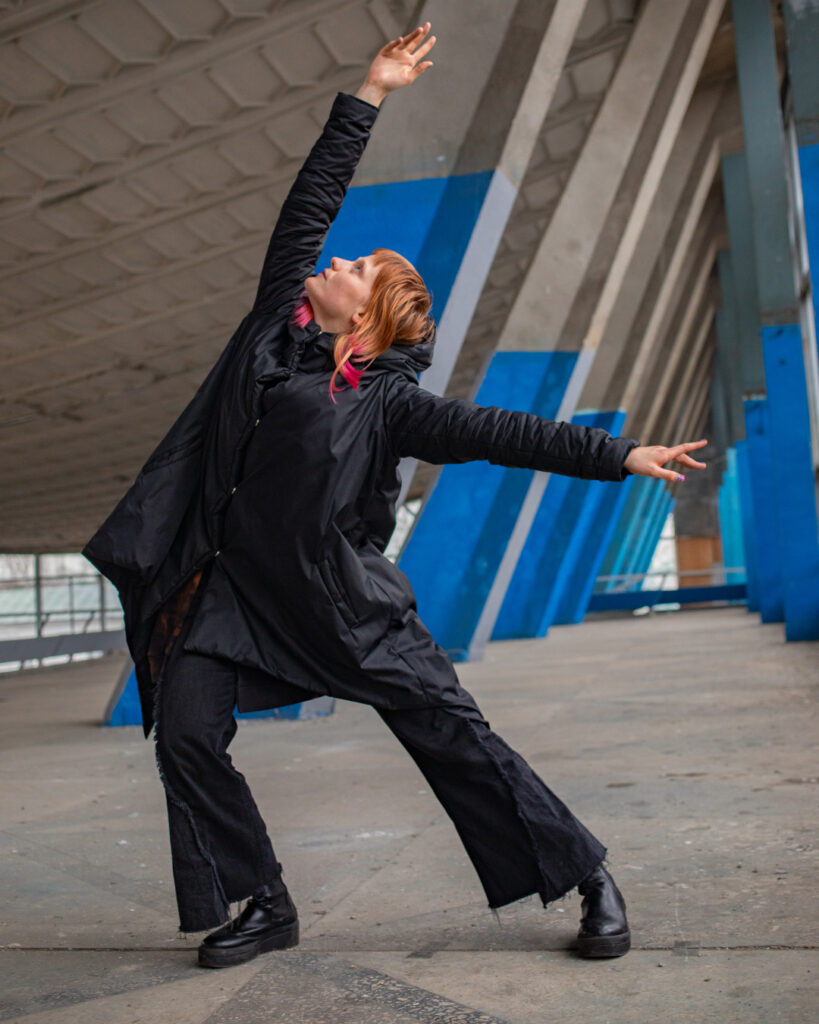
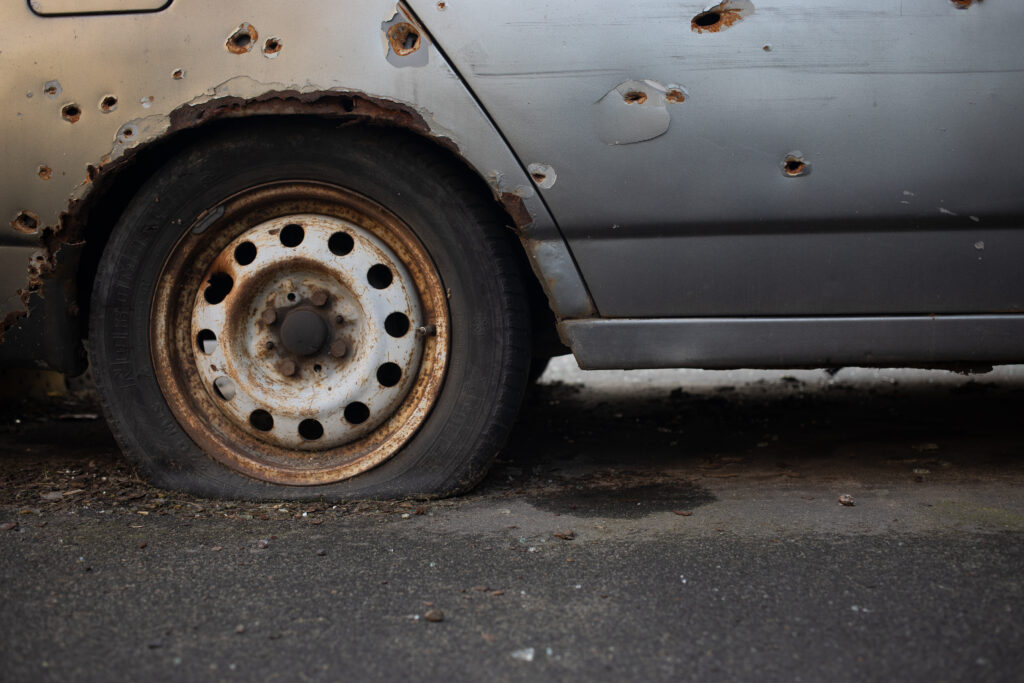
The book is Fractured Focus – a collection of photos taken throughout my trips to Ukraine in 2022 and 2023. I went to Kyiv and Lviv to answer two questions that I had in mind with the rise of the war. First, I was curious about friends and family structures under the war. I felt that with COVID, our social circles have changed. So, I wanted to see how war affected those social circles and whether it had a similar effect to COVID. That is, would people seek their loved ones or those around them given the difficulty of travelling. The Orthodox Easter, the first big celebration since the beginning of the war, was approaching. What were those people going to do? Were they going to travel back despite the war? Or were they going to stay where they were? Secondly, as I love architecture, I wanted to understand whether something aesthetically beautiful could come out of a negative action. When you hit a target, your objective is destruction and annihilation. Could something subjectively beautiful be born off negative purpose nonethless? In other words, can evil lead to beauty? As architects and engineers, we know what the building is supposed to look like. But with each explosion, we do not know where all the pieces of rubble will end up and what kind of patterns they will create. But once in Ukraine, apart from answering those questions, I ended up finding myself. Since the first day of the trip, I found myself surrounded by a lot of displaced artists. There were not enough spaces to host artists arriving from other cities and regions of Ukraine. And so, the project transformed into a documentation of artists’ resilience during the war. I collected my first portraits and stories in Lviv and then I moved to Kyiv for a continuation. The book comprises around six thousand words accompanied by my personal story of hitchhiking around the country and volunteering in Poland before entering Ukraine.
Let’s finish with some rapid fire questions. What is your favorite film or four?
Blade Runner, Old Boy, Brazil, and Mediterraneo.
What music are you currently listening to on repeat?
“La Maritza” by Sylvie Vartan and “Vivo” by Andrea Laszlo de Simone
Coffee or tea?
Tea.
What is your go-to comfort food?
Chinese.
Cats or dogs?
Dogs.
Favorite season of the year?
Probably spring.
What is a hobby you wish you had more time for?
Baking.
Sweet or savory?
Savory.
Last TV show you binge-watched?
Adolescence, really good.
What language would you love to learn?
Arabic or Russian.
We would like to thank Tito for taking time and opening up about his journey of self-identification as a creative storyteller. This conversation could be a reminder to all of us that the most meaningful move is not to a new place, but toward a version of ourselves that we finally recognize.
Discover more of Tito’s work through his Instagram page: @infinitesideway